
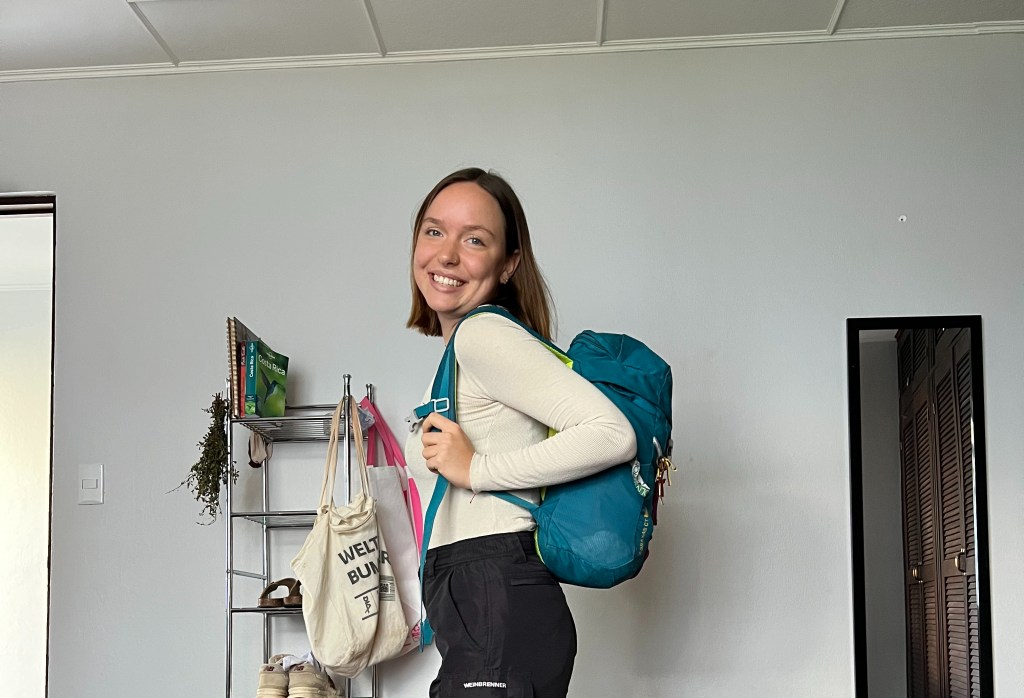
Of course, my preparations started long before my flight to Chile and not just after my semester in Viña del Mar. Certain things are better planned in advance. Some things are a lot easier to organise in your home country and of course I needed certain documents already at the beginning of my trip.
If you are planning to go abroad for a longer period of time, the question may arise: Where do I even start? It’s not quite as simple as just getting on a plane and flying to another continent. Booking a flight should of course be one of the first steps, because normally the earlier you do it, the cheaper it will be. And because we want to avoid unnecessary costs, it’s best to do this as soon as we’ve made the decision to travel.
The Flight
But even this first task turned out to be a bit of a challenge for me. Flights from Austria to Chile in the European summer months are extremely expensive. So if my posts have made you want to travel to Chile yourself, then it’s better to do it in winter. At least you’ll have better weather then. Luckily, I got help from a good friend who has a bit more experience with booking flights than I do. In the end, we still couldn’t save much money though.
When booking flights, I usually proceed as followed: I usually work with the german website Check Felix for comparisons. However, you can also use Sky Scanner or other programmes, for example. Once you have found a cheap option, it is always advisable to book directly through the airline rather than through a third-party provider. In the event of problems and complications, you are usually better off booking directly with them. (Although it’s just as little fun to deal with the airline itself. I speak from experience).
I also used this method for the flights I booked for my two-month round trip to South America. Only within Chile did I always search for and book my flights directly via the regional airline LATAM. This is almost always the cheapest option.
In Ecuador and Colombia, I usually travelled from one destination to the next with the Colombian airline Avianca. This is usually the cheapest alternative, especially within Colombia.
Unfortunately, this also comes at a price. There is nothing to eat on the flights. Really nothing at all. Even on the short-haul flights with LATAM, I always got at least a small pack of chips or some nuts. Avianca even lets you starve on a six-hour direct flight from Colombia to Chile. So, better come prepared and take a few snacks with you on board.
Also good to know: Restrictions on liquids only apply on international flights. Within the country, for example, you can get through the security check with a full bottle of water without any problems.
Travelling by Bus
Of course, flying is not always the cheapest way to travel. Although most South American countries are relatively large, it is often easy to get from one destination to the next by bus. This is usually the best option, especially if you are travelling alone and have enough time available.
Based on my experience, I would generally advise first-time backpackers not to plan too much in advance. After all, you usually don’t know beforehand how much you’ll enjoy your next destination. It’s better to stay flexible. Travelling by bus is also perfect for this. You can decide spontaneously when you want to leave. Whether you want to stay longer or continue straight away.

For my first solo trip as a 21-year-old girl through South America, however, I preferred to have at least a rough plan. My parents were relieved that they could keep track of my location quite well. Besides, I only had two months and still wanted to explore a lot. Peru or Bolivia Hop was therefore the perfect solution for me.
You are probably familiar with the concept of a Hop-On Hop-Off bus. Mostly double-decker buses that travel through major cities and cover the most important tourist attractions. You can then simply hop off and on again as you wish.
Peru/ Bolivia Hop applies exactly this principle, only on an international level. This means that the bus travels from destination to destination on predetermined routes. Once you have your ticket, it is valid for a certain period of time starting from the first journey. You should then always let the company know one day in advance when you want to hop on again.
The package also includes an all-round service. On each bus you have the driver and an additional staff member who will give you all the necessary information about the journey and the next destination and answer all your questions. You can also book different tours through the company and sometimes even get discounts, including for accommodation. One time they even played a film on the bus and gave us free popcorn. Sometimes there are stopovers and you go out to have a meal together.
My Route
So, I didn’t start my two months of travelling completely planless, but rather laid out an approximate route, knowing that I had a little room for adjustment.
First of all, I booked my flight from Chile to Peru. That’s where my trip was supposed to start. In Cusco to be precise.
Via Peru/Bolivia Hop I then bought a ticket that would take me from Cusco through Bolivia back to Peru and all the way up to Lima. When you buy your ticket, you can put together a complete package including tours according to your wishes. As I said, you can also organise the activities directly on the bus or on site.
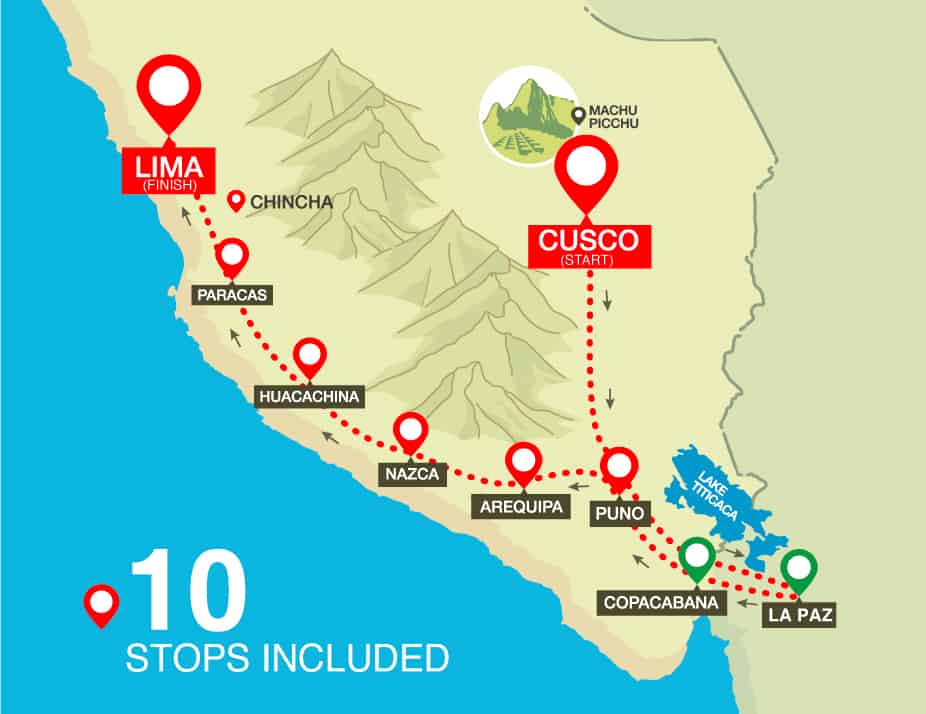
The cool thing is that I hardly had to do any research myself on what to do in the different destinations. You can find good tips and recommendations for each destination on the website. Of course, you can then decide individually what you are interested in and what not.
I then booked my onward flight from Lima to Quito, Ecuador, because I knew that I would be meeting up with a fellow student there at Christmas. So I had a few fixed dates that I wanted to stick to. I didn’t have any specific plans for Quito yet. From here on, I had to organise everything myself.
I only knew that I wanted to be on the Galapagos Islands on the 31st of December, so I booked this flight too. I planned my return flight and onward journey to Colombia for the fifth, as my sister and a friend would be arriving in Bogota the following day.
From the moment I arrived in Colombia, the two of them were in charge of most of the planning. So I was able to lay back a bit (even though I don’t really like to give up the wheel when travelling 😉 ).

I also booked the flight back to Chile and from Chile onwards to Costa Rica. As I said, it’s better to book flights earlier than too late. That’s why I spent a lot of money on flights during this planning period.
However, if you have more time available than I do, I would generally recommend travelling as much as possible by bus. Not only is it cheaper, but you’re also more flexible and can always enjoy the scenery. However, you should make sure you are well informed beforehand. It is not recommended to cross some borders by bus, for example in Ecuador (although you shouldn’t go there at the moment anyway).
The Activities
As already mentioned, I have already booked some tours in Peru and Bolivia with Peru/Bolivia Hop. If you decide not to take part in an activity in the end, you can easily cancel your booking.
Other than that, I always like to get a bit of information in advance and then simply research „What to do in …“ on the internet. They usually spit out great blog posts (like mine 😉 ), where you can usually find the best and most honest tips and recommendations.
If you have planned long any excursions, such as multi-day hikes, it’s certainly not a bad idea to book in advance. Or if you want to visit particularly touristy attractions during high season. After all, you don’t want to be in Cusco when there are no more tickets for Machu Picchu. Many overcrowded sights have now restricted visitor numbers in order to protect the destination. Of course, the same applies here: The more time you have, the less necessity there is for buying tickets and entrance fees in advance.
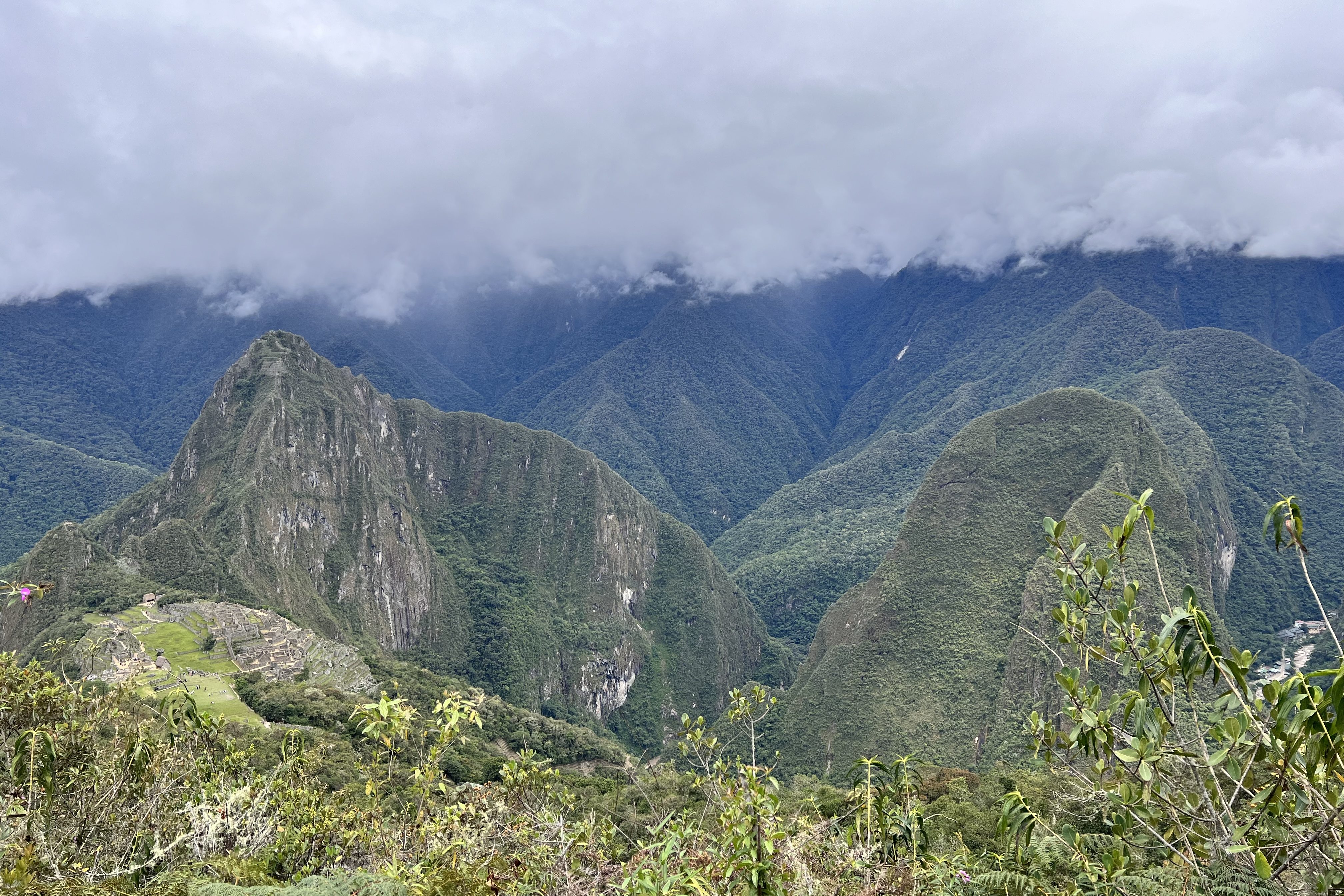
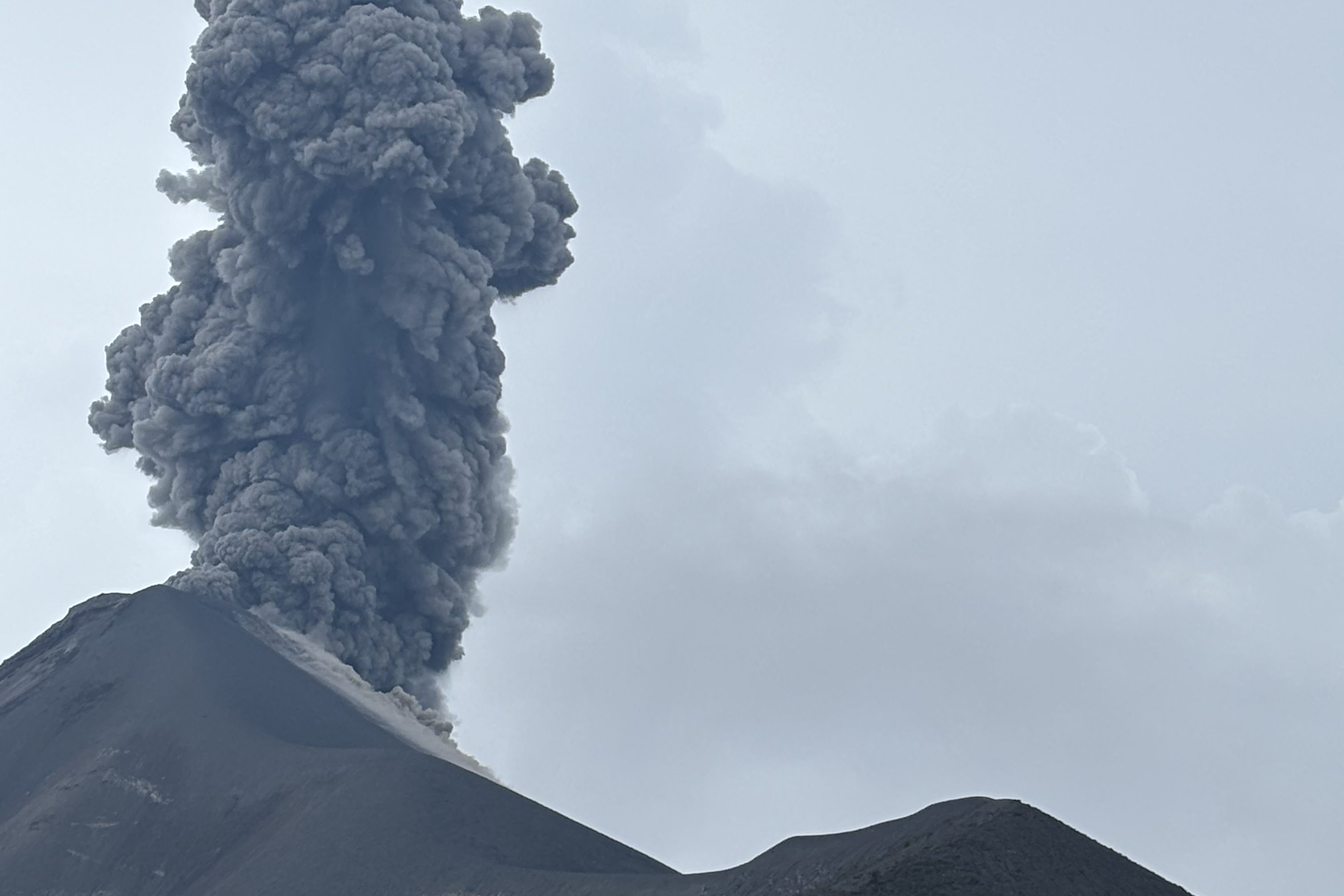
On the other hand, it’s also nice to stay flexible from time to time and not plan everything in advance. Hostels often offer special discounts. Then you can quickly pay only half the price. What’s more, you often get to know people at the hostel who you would then like to do something with. Unfortunately, I’ve often made the mistake of booking online beforehand and ended up being a bit disappointed. My hike in the Colca Canyon or my trip to the Amazon, for example, were unplanned activities and both turned out to be a complete success. But I will report on that later on.

The Backpack
The most difficult part of preparing for a trip of several months is probably the packing. Especially if you are only flying with hand luggage, which of course is a lot cheaper, and you are travelling through South America, where it feels like you are travelling through all the different climate zones.
Backpacking is definitely not for deluxe bunnies. Fortunately, most hostels (not all of them) have washing machines or laundry services. Nevertheless, you probably can’t avoid having to put on your clothes from the day before (or the day before that) from time to time. That’s also the advantage of travelling solo. It doesn’t really matter how you look or smell anyway.
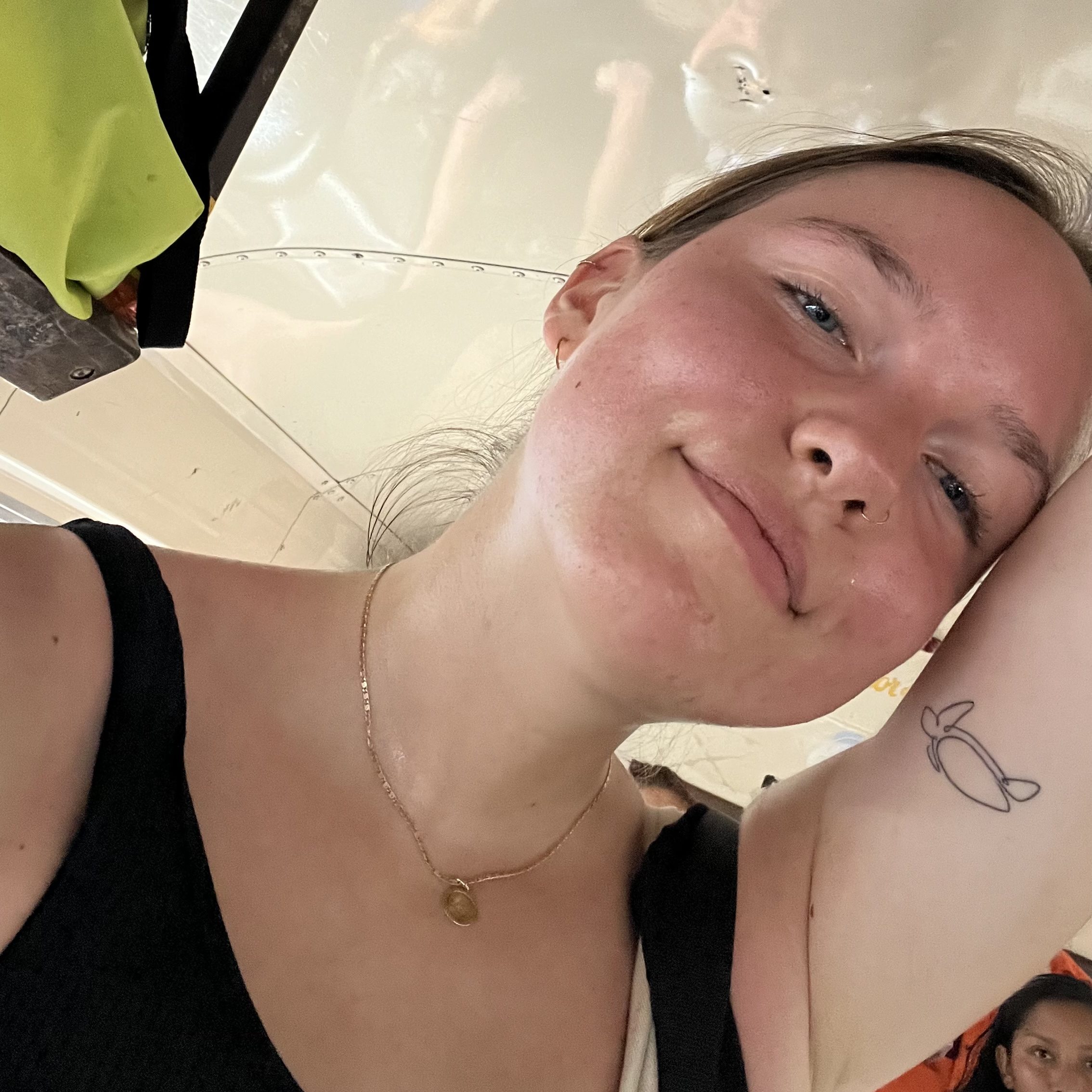
When it comes to clothing, you really have to be prepared for anything in South America. I needed my thick jacket for hiking in Peru, for example. I recommend a rain jacket with a zip-out fleece cardigan. This was the best investment I made before travelling to Chile (thanks to a tip from a friend). Hiking boots are of course also a must if you have planned on doing a few hikes. I usually wore these at the airport and then put the lighter trainers into my backpack. Flip-flops are also important. You never know what the hygiene conditions are like in the hostel showers.
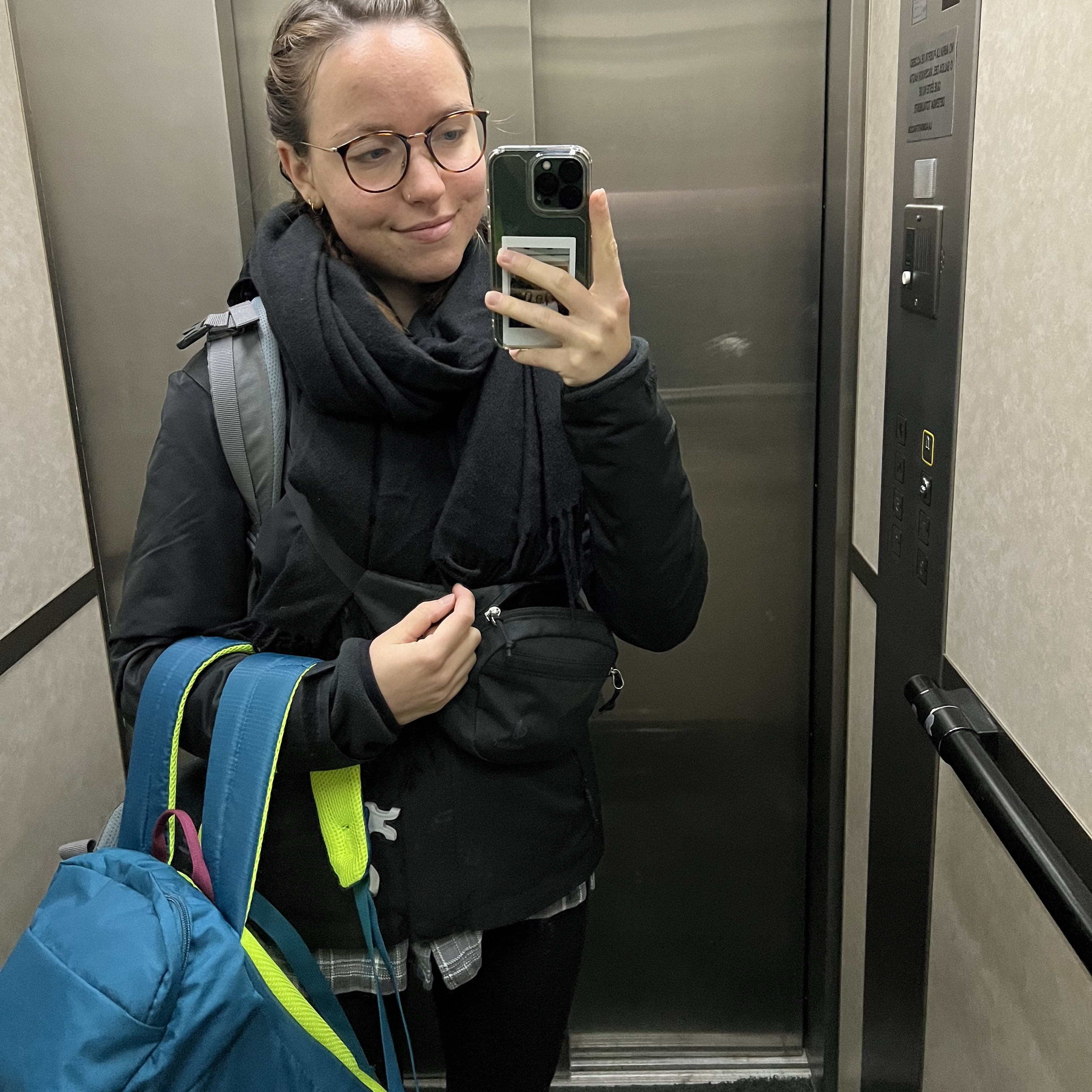

In fact, I travelled completely without any long jeans. For two months, I only had the choice between hiking pants, leggings and baggy trousers, a pair of shorts and short sports leggings. One nice outfit for emergencies should be enough.
Of course, you also need to make sure you bring enough sun and insect protection. This is something where you don’t want to save on luggage or money. Just like my two fellow students who hiked up to Machu Picchu without mosquito spray and came back with their legs completely covered in insect bites.
Moreover, my personal recommendation is to take hard shampoo and shower gel with you. This saves liquids on international flights and unnecessary space for packaging. I also managed to survive on them for two months. Back in Austria, I bought one of those little plastic thingies that the soap can dry on. It actually always worked quite well. If there was shower gel and shampoo available in the accommodation, I used that of course. The most important principle when travelling for a long time: Always think like a penny pincher.
When it comes to toiletries, less is more. I really needed a face wash gel because it’s simply the best feeling when you can thoroughly wash all the dirt off your face after a long, tiring day. Otherwise a face moisturiser will do. I didn’t wear any make-up for two months. Despite having problem skin, I have never felt more comfortable in my skin.
Further essential backpacker tools:
- Packing cubes – For organising your luggage so that you don’t just stuff everything into your backpack and then spend hours searching for one thing.
- Padlock – For locking away valuables in the hostel locker.
- Charged power bank – Because you don’t want to risk not having any battery in an emergency.
- Plug adapters – Find out in advance which ones you will need in the countries you are travelling to.
- Travelling towel – Bath or hand towels made of microfibre that can be folded up super small.
- All-purpose sheet – Can be used as a scarf, to cover up on buses, as a beach towel, picnic blanket, etc.
- Emergency Kid – With plasters, ointment and all the necessary medication. Diarrhoea pills, for example, are highly recommended, as nobody is safe from food poisoning in South America.
- Fanny pack – To carry valuables on your body. Also great for bus journeys.
- Nail set – My nail scissors and file were only taken from me at the end of my trip on a domestic flight in Colombia ☹
- Earplugs & sleep mask – I never used them and almost always slept well. However, it is definitely recommended for all sensitive sleepers.
Travel Insurance, Credit Card & Vaccinations
You should make sure you have a copy of your travel insurance, your passport and your vaccination certificate with you.
You should already make those preparations back at your home country. In any case, get travel and health insurance. In addition, in most countries your passport must be valid for at least six months upon departure. So make sure you check the date before you leave.
Before travelling to Chile, I also got five vaccinations within a month. My body was knocked out, but at least I had protection now. I wouldn’t have needed any vaccinations for Chile itself. In other countries, however, you need a yellow fever vaccination, for example. I also received a three-part rabies prophylaxis and hepatitis A with typhoid, as well as pills against malaria. In general, however, it is advisable to simply visit a tropical institute in your area and get advice there. Better prevention than post-treatment.
Having a credit card is of course essential for a trip like this. Both Visa and MasterCard cards work well in most countries. The general recommendation is usually in favour of a Visa card, as it is accepted more frequently. Most credit cards also include travel insurance. But make sure you check what exactly is covered. I travelled to Chile with two debit cards and two credit cards, just in case you know. I left two cards in Chile, while I travelled around with the other two – a Master and a Visa card.
EU citizens don’t really have to worry about visas. We are really privileged in that respect. With our passport, we can actually enter all countries in South and Central America without any problems as long as we leave again within ninety days. Passport control at the airport can sometimes be a little more complicated. But as long as you behave like a classic tourist (have sandals with white socks ready), you shouldn’t have any further difficulties. You may only be asked for an exit ticket within these ninety days.
In the end, however, you can never be prepared for everything anyway. There will always be something that intervenes your plans. That’s why mental preparation is probably the most important part.
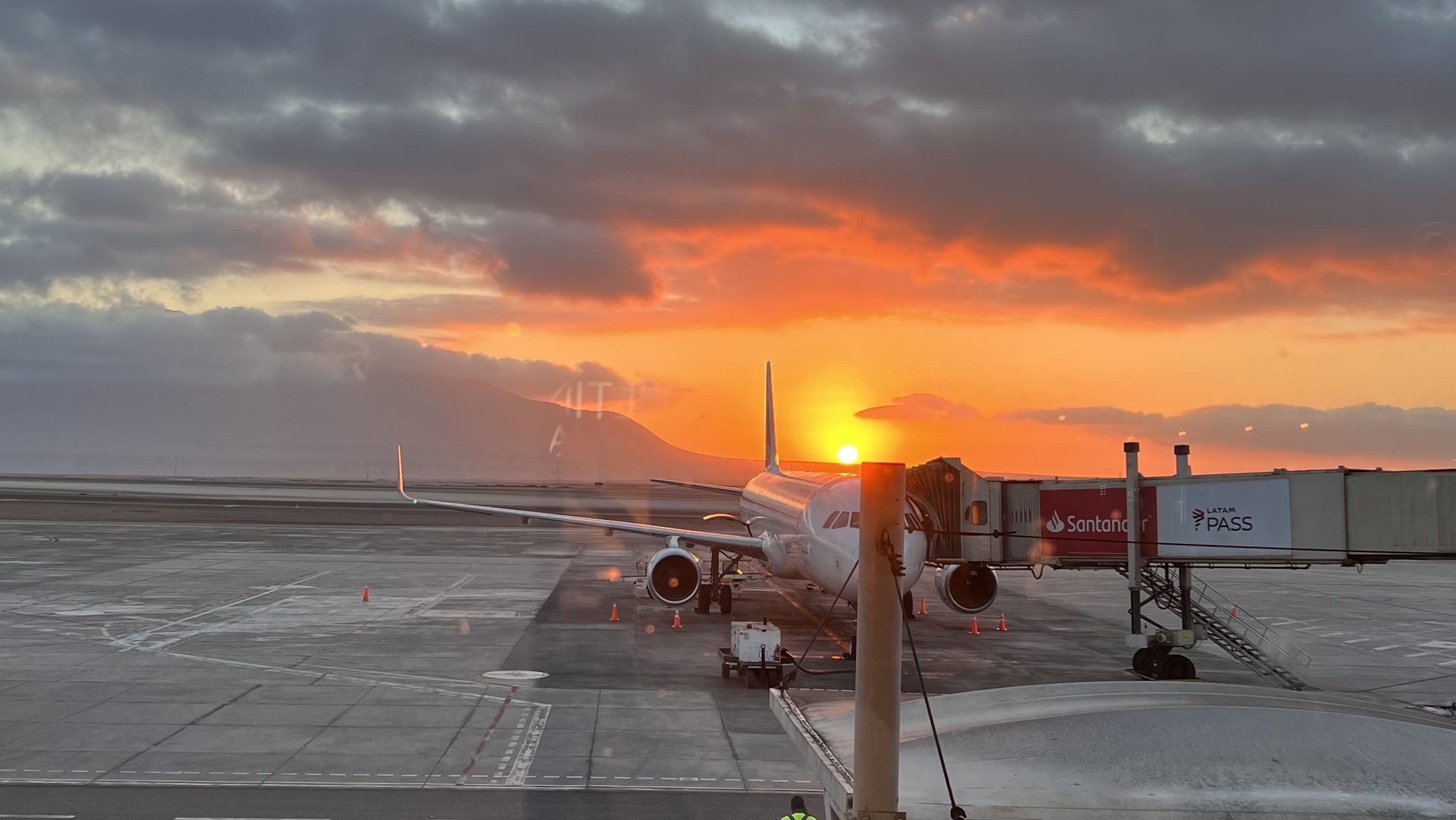
But that’s also the beauty of travelling. That you have to step out of your comfort zone from time to time. That’s how you learn to stay flexible and be able to “ freestyle“ from time to time.
But you’ll find out about all the things that can go wrong in the upcoming posts. And, of course, what can go right. Until then, don’t despair and
Bussi Baba!
 Bussi Baba
Hinterlasse einen Kommentar