

Before I continue my series of travelogues, I should perhaps tell you what my everyday university life was like in Chile. After all, I was in Chile primarily neither to travel nor to go on holiday. I decided to voluntarily spend my third semester abroad, which probably makes sense when you’re studying tourism. But for everyone, an exchange semester is a great opportunity to gain experience, become more independent and grow beyond yourself. After all, studying shouldn’t just be about strictly learning the material, right?
Why Spend a Semester in Chile?
In my first post Hello World! I already mentioned that I chose South America because I wanted to improve my Spanish and Spain was a bit too close or perhaps convenient for me. My Austrian University of Applied Sciences has three partner universities in Latin America, in Mexico City, Lima in Peru and Viña in Chile. In the end, I decided in favour of Chile because it is the most developed (and the furthest away 😉 ) country in South America and the political situation in Peru was not very stable at that time. Although I hardly knew anything about the country. I only knew that it was very long and narrow.
I would perhaps only discourage you from spending a semester abroad in South America if you don’t speak a word of Spanish. At my university, there was a business degree program in English. Everything else was in Spanish. Most of the other exchange students were also from Spanish-speaking countries. And unfortunately, unlike in Europe, not everyone here can communicate in at least broken English (although you can’t really say that about the whole of Austria either).
In any case, Chile is only the right choice for a study semester or internship abroad if you like linguistic challenges. Even with my previous knowledge from seven years of school Spanish, communication was not always easy. If you talk to people from other countries, you will often hear „los Chilenos no hablan Español“, meaning Chileans don’t speak Spanish. You can probably compare it to a person from the US hearing someone from Scotland talking (tried to come up with an example for English speakers) and maybe understands half of it. Chileans not only use their own dialect and vocabulary, they also speak super fast. When they realise that Spanish is not your mother tongue, they usually make an effort to speak at least halfway slowly. And over time, you’ll get used to the pronunciation and dialect and may even pick up a word or two in your own vocabulary.
A few examples: Avocado would be „aguacate“ in Spanish, but „palta“ in Chile. The long-term girlfriend would be „novia“, in Chilean „polola“. Corn is not „maiz“, but „choclo“. In addition, words are often followed by the ending -po. So „nopo“ instead of „no“ for no or „sipo“ instead of „sí“ for yes or yes of course.
Living With a Host Family
Communication with my host parents was therefore not always easy at times. I have already mentioned in my previous posts that I lived with a host family during my semester abroad. The offer came from the university in Viña. Although you could certainly find cheaper accommodation in Viña, this however does not come with food, laundry and of course the experience itself.
I often had difficulties finding the right words, especially at the beginning, and often you just can’t express yourself the way you would like to. You also first have to familiarise yourself with the culture and learn to understand new traditions and ways of doing things.
Unfortunately, not everyone has good experiences with host families. However, I and most of my fellow students who stayed with families themselves were lucky. I would even say that I was very lucky. My host parents were a bit older and had grown-up children who already had children of their own. There were also about 40 other host children before me (I know, crazy). So I felt all the more honoured to be the first person from Austria.
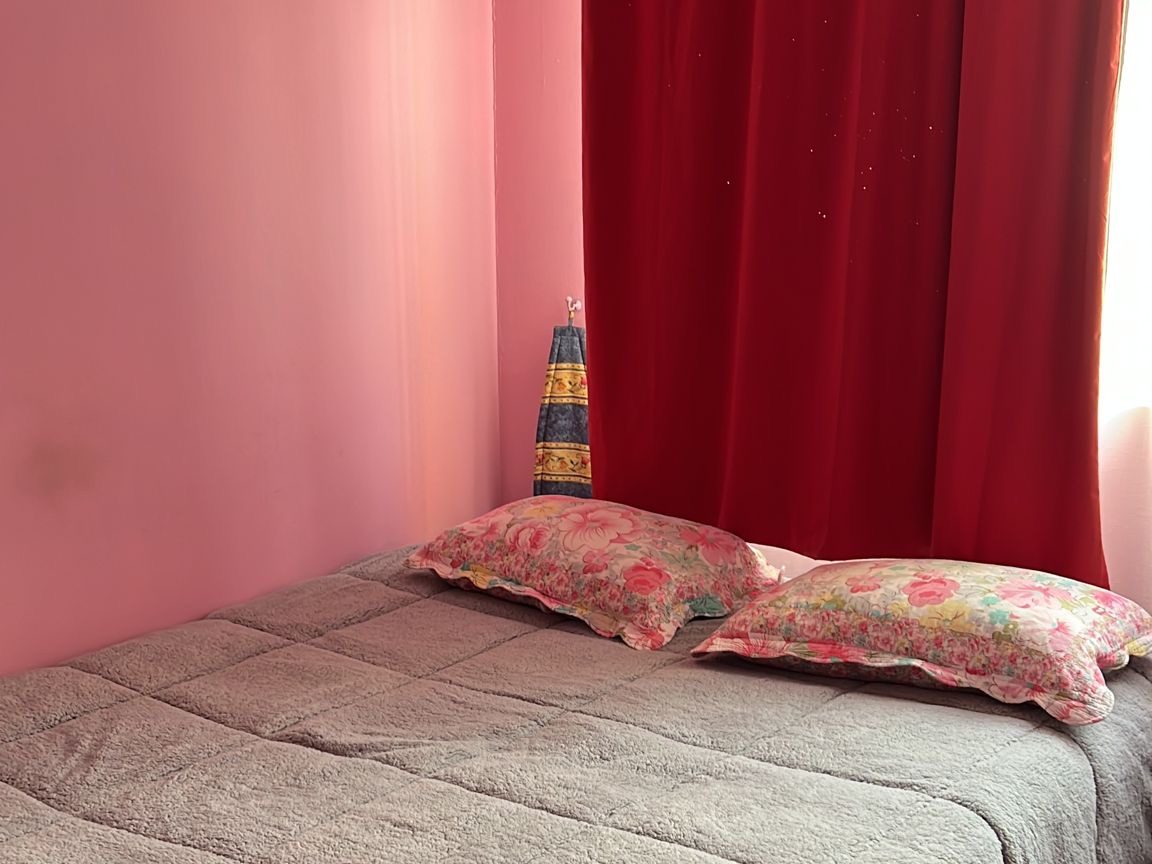
I lived with them in a medium-sized flat where I had my own bedroom and bathroom. The pink-painted walls in my room and the five blankets to cover me took some getting used to at first, but otherwise I felt at home straight away.
I usually made my own breakfast and dinner, but they always bought the groceries for me, and I always enjoyed freshly cooked dishes for lunch. It was exclusively vegetarian for me. In general, my host mum always made sure I had a very balanced, healthy diet.

By the way, dinner in Chile is usually cold, similar to ours in Austria, for example with bread, cheese, butter and a cup of tea, and is not served too late (find out more in my post about the Chilean Cuisine).
Those four months allowed me to completely immerse myself in the Chilean culture. I saw what a normal day in the life of a Chilean family looks like and what values are important. In all South American countries, family life and supporting each other is fundamental, and I noticed this very strongly within my host family. That’s why I was also accepted as part of the family and was allowed to attend parties and celebrations, for example, and also got to know siblings, uncles and aunts. From time to time we also went on excursions together, I got a cake for my birthday and we baked empanadas together for the Fiestas Patrias.


However, in a host family, the focus is always on mutual cultural exchange. And so I also tried to bring them closer to my home country. During my last week in Chile, I therefore prepared an Austrian meal for the whole family and everyone was of course impressed. But after all the food we also felt a little sick.



(Cheese and egg dumplings and potato salad)
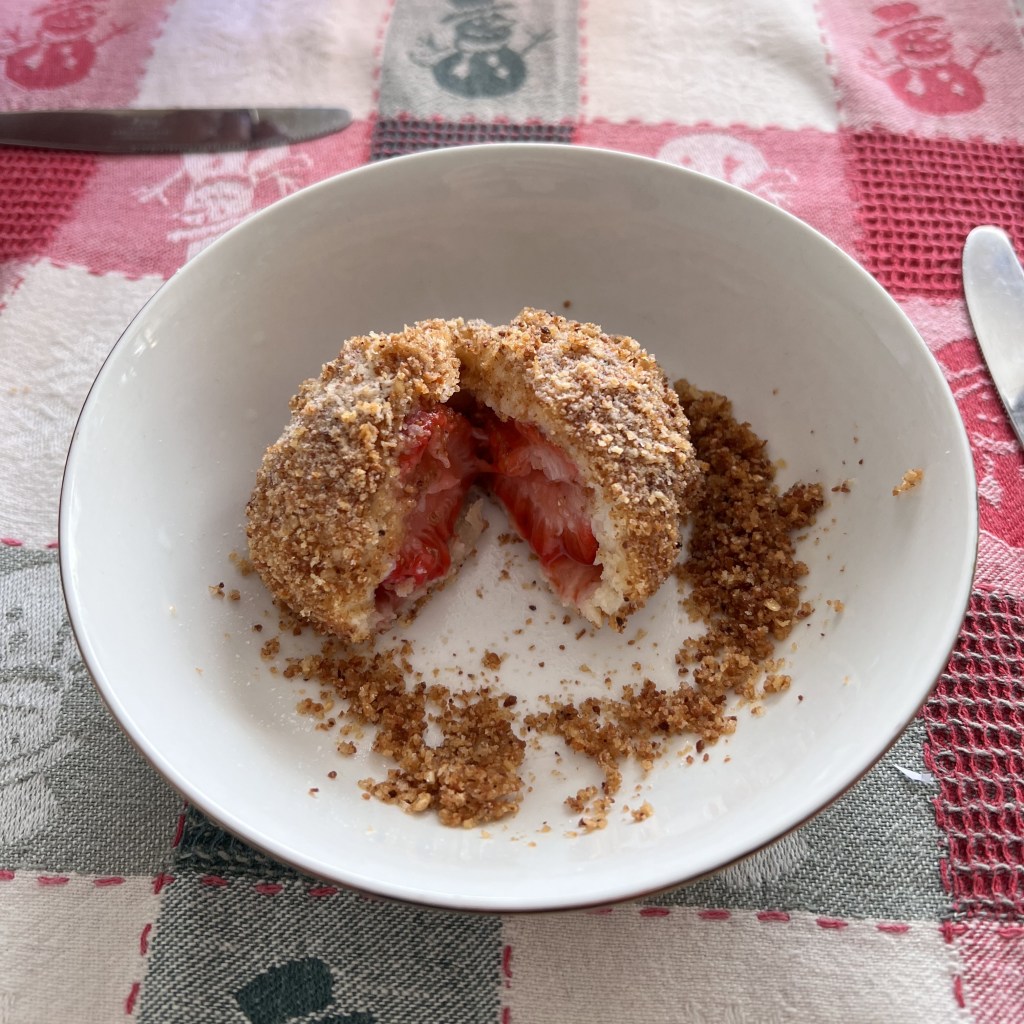
as dessert

I built up a very deep connection with my host mum in particular and am still in contact with her today and we send each other voice messages regularly. Sometimes it was a bit creepy, but she always knew exactly when I wasn’t feeling well. And then I got some good advice or a cup of tea. When you’re so far away from home for the first time, it’s nice to have someone by your side right from the start. Sometimes she was just as annoying as a real mum, but of course that’s part of it too 😉.
My host dad, on the other hand, always provided me with the best stories. As a great history expert and travel enthusiast himself, no details were left out when he told me about the past of Chile and the different destinations. Unfortunately, sometimes I only understood half of it, but I always nodded and at least pretended to know exactly what he was talking about. It only became difficult when they asked me to tell them about Austrian history. Well, I didn’t have sufficient vocabulary for that.
My Studies
Sometimes I have to remind myself that I was actually in Chile to study. No, I’m kidding, I was a motivated student abroad too. Especially when you consider that I took three of my four subjects in Spanish.
After the introductory week, which was also entirely in Spanish, I was already a bit pessimistic and regretted not having opted for the English study program. During the first few weeks, I fell into bed every night feeling extremely tired because it can be very exhausting to be exposed to a foreign language all day. Spanish classes at university in Austria and studying in Spanish are two very different things. And at the beginning I really struggled with a lot of self-doubt. Partly because I found out that I had to take four examinations, presentations or assignments in each subject during the semester and a big final exam at the end of the semester. A bit more than the traditional end-of-semester exam at Austrian universities and Universities of Applied Sciences.
But after the first normal week at university, I was a bit more confident that I would be able to manage that. The courses and professors were completely relaxed. The educational standards in Chile, or probably in South America in general, are of course not comparable to those in Europe.
First of all, there were a maximum of eight people in the classes. Of course, this means that more participation is required, but this way you can already collect points (and sympathy points) for your final grade. After a long time, I was called to the blackboard again. And as there was such a small number of us and many of my colleagues didn’t take their studies all that serious or had to work part-time, it sometimes happened that there were only two of us in class. In fact, I once even had a private lesson with my marketing professor. That was also a very unique experience.
The exams were all open-book, which meant we were allowed to use our documents and usually even the internet as a resource. This made it easy for me to use the translator as an aid. Writing a complete exam in Spanish is a whole different story. Sometimes we were even told: „Here’s your test, go home and hand it in by this evening at the latest.“ The big final exam only had to be taken if you had failed or missed one of the other tests. I avoided that and instead travelled to Peru.
It was also cool that we had an entire three weeks at the beginning of the semester to choose our subjects and ultimately decide whether we wanted to take them or not. At the start, for example, I was still motivated to do macroeconomics in Spanish. After the first session, however, the professor never saw me again.
As you can already see, despite the challenge that almost everything was in Spanish, my studies were rather laid-back. Exchange students are generally not treated too harshly. Anyone who has ever studied abroad can probably confirm this. After all, everyone knows that you don’t go abroad primarily for studying. The fact that we had every Friday off was of course a big advantage. At least we could always make good use of the extended weekend.
Social Life
At this point, I have to praise the Universidad Viña del Mar. I’m pretty sure that not every university invests so much time and organisation in ensuring that every exchange student has a good experience in the end.
We started the semester with a well-organised introductory week, during which we had the chance to get to know other exchange students and a few of the Chileans. Small excursions were planned and at university we were given all the important information about living and studying in Chile, how to behave in the event of an earthquake and that we should refrain from taking drugs.
But even after this week, we were not left alone. For a small fee (5 euros or so) you could join the „Club Internacional“. Every Wednesday there was a meeting at university with all the exchange students and some locals, which was sometimes replaced by excursions. From September onwards, a different country had to or was allowed to plan an evening every week. The program usually involved a presentation, country-specific games, music, dancing and, of course, traditional food.

Austria was last in line, together with Germany and Slovakia, and impressed everyone with its delicious Kaiserschmarrn, apple strudel and, of course, the Viennese Waltz.
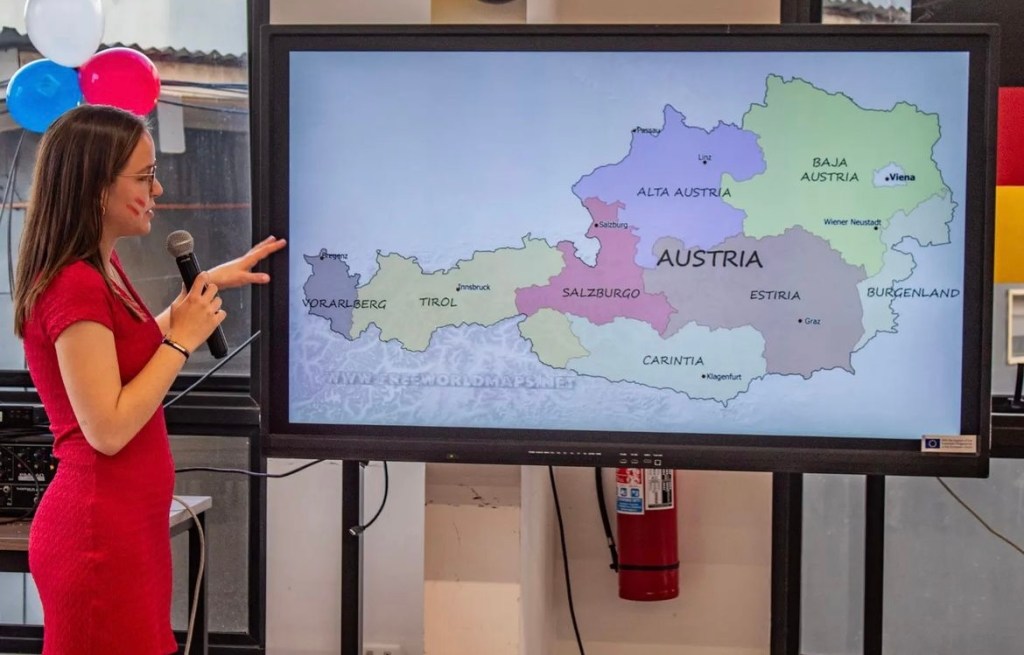
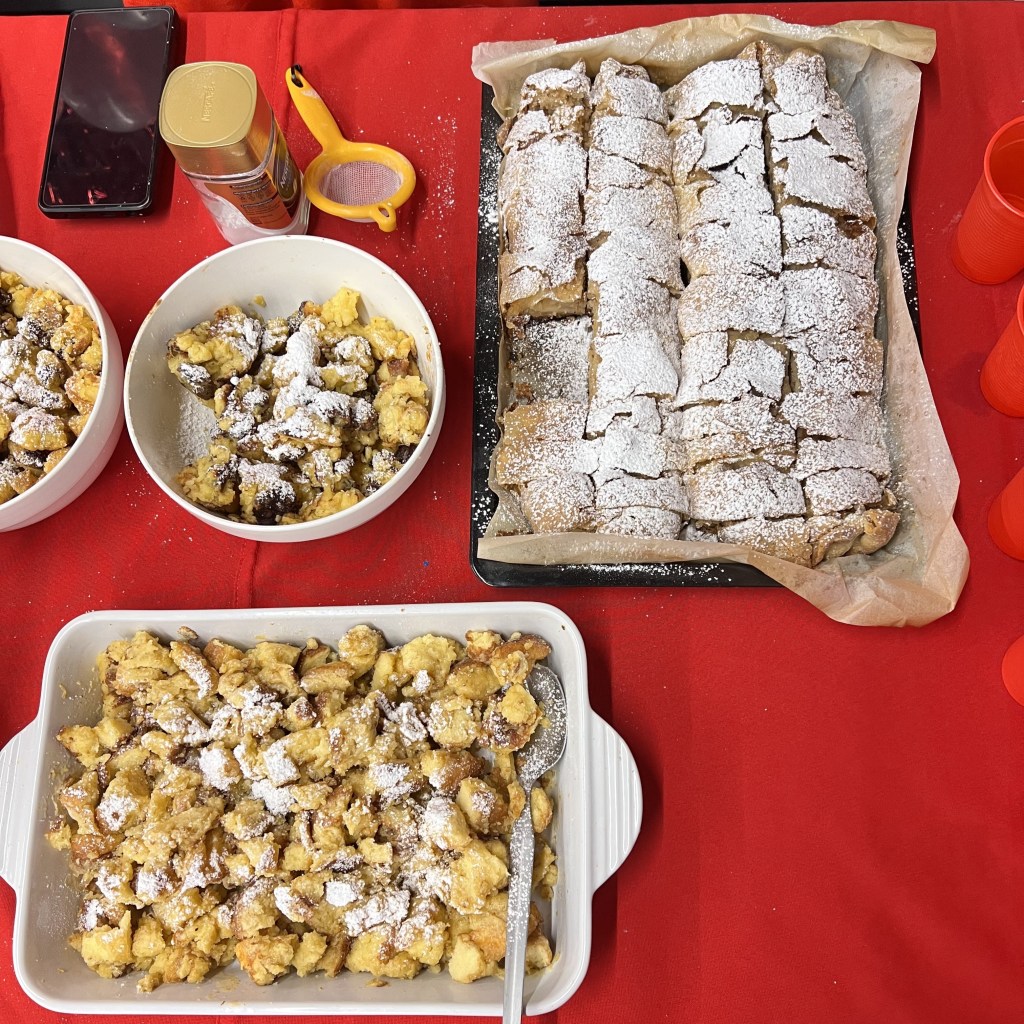

But in the end, it was above all a good opportunity to meet other students with whom you didn’t have any joint courses and to make and maintain new friendships.
Of course, funny things always happen at such meetings. For example, on Día de Mexico, i.e. Mexico Day, the group of Mexicans built a small altar as a demonstration for the Día de los Muertos and almost burnt it down. Or when we had our colleagues yodelling on our day.
At the end of the semester, an international dinner, a kind of final banquet, was planned. Here, too, every participant took something to eat, resulting in a huge buffet. That evening was not only a time for laughter, but also for shedding a few tears. The programme included a talent show and various awards.


I didn’t always have it easy in the club either, especially in the beginning, because the majority of the exchange students actually came from South America or Spain (about half of them from Mexico) and therefore had a clear advantage when it came to communication. I had a Mexican colleague who was really difficult for me to understand until the end because he spoke extremely fast. When I returned to Chile after my two months of travelling, I met him again and he said: „Your Spanish has improved a lot. You understand me now.“
In any case, and this is how I put it in my little farewell speech, I don’t think I’ve ever found it so easy to make friends before. Although I can sometimes seem a bit introverted, especially at the beginning, I never felt alone. Everyone really was extremely nice and open-minded. For example, my birthday was in my second week at university. After I put a message in our group saying that I wanted to go out for dinner and that anyone could come, almost the entire club (around 30 people) showed up at the restaurant.
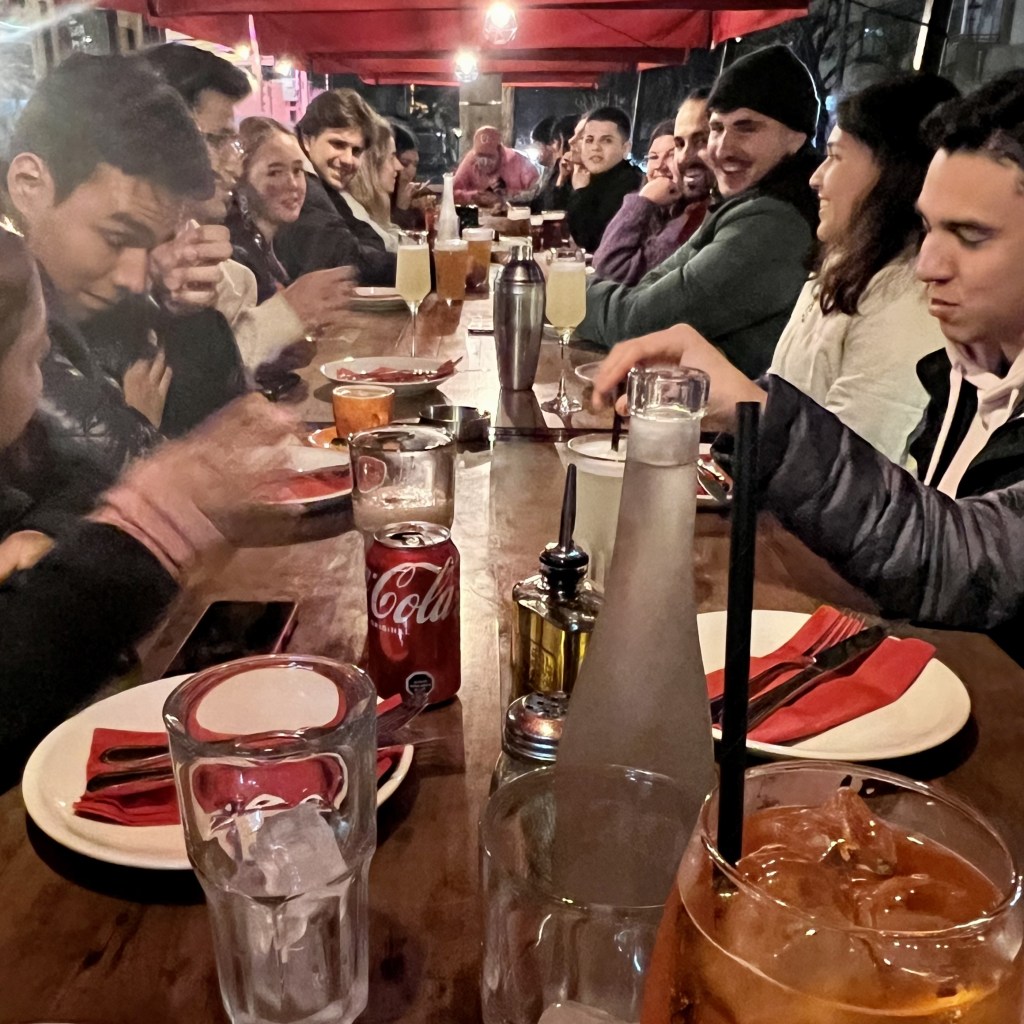
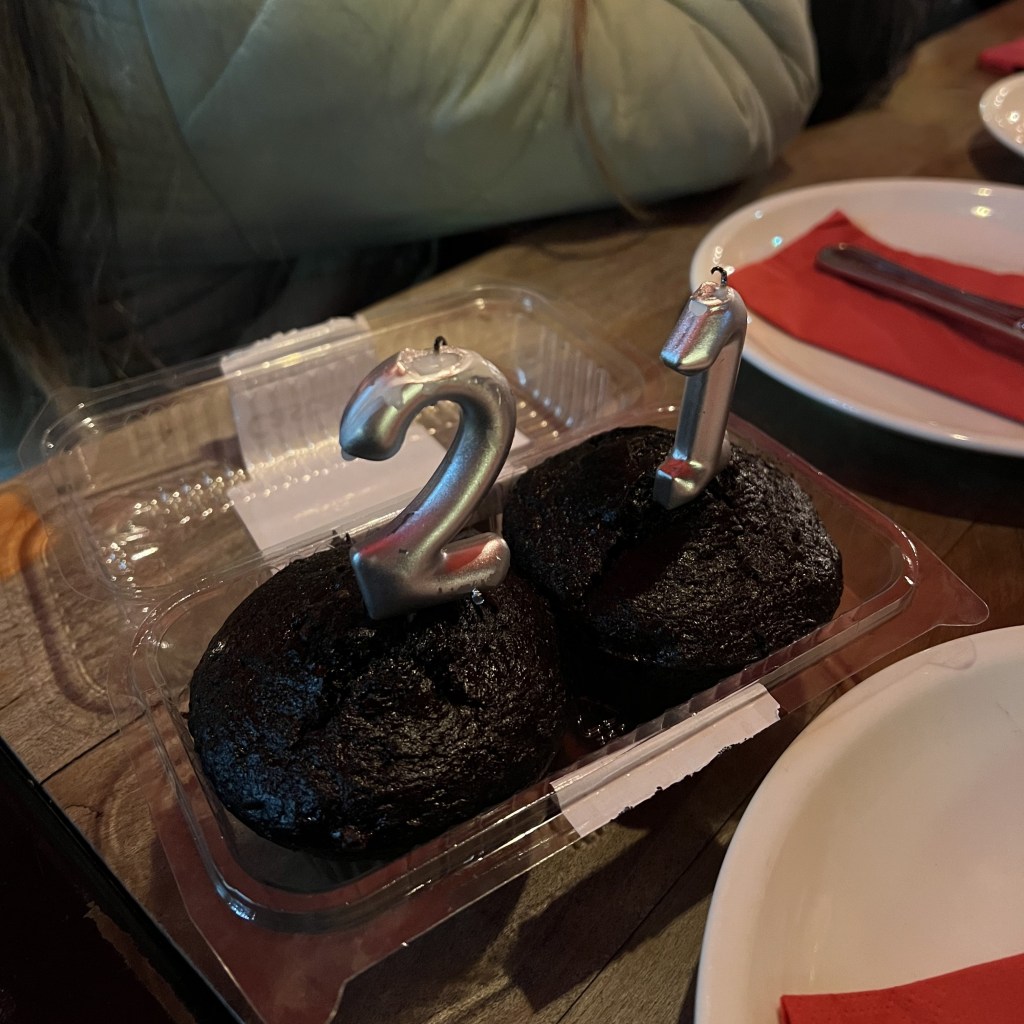
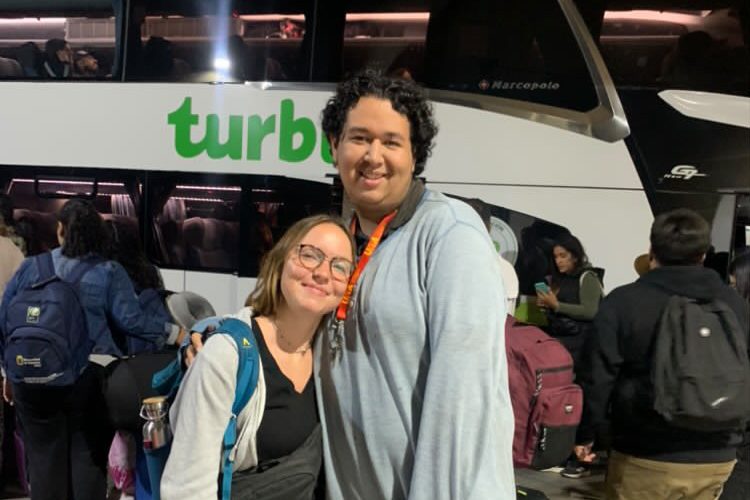
Of course, it was all the more difficult to say goodbye at the end. All the people have grown close to my heart and I won’t forget this time so quickly. I’m almost in tears again as I am writing this.

My Conclusion
I could probably write a whole book about my study abroad experience. There’s just so much happening, you meet so many new people and at the same time it’s a constant rollercoaster ride of emotions. I could never pack all my experiences and memories into a short report.
And so, if you are considering going on an exchange for a semester, I can only recommend it to you. I may not have learnt a lot for my studies during this semester, but I learnt a lot for life. You get to know a new culture, a different language and a whole new side of yourself. And all this experience makes you smarter, open-minded, more flexible and self-confident. And the good thing is that even if you have some bad experiences, they are still experiences that may help you in later life.
Okay, but enough with this philosophical talk. In any case, it has been a really great six months and I would never regret having made this choice. Above all, however, I am also glad to have had both experiences, studying and working abroad. Although both involve a longer stay in another country, you can’t really compare the two. That’s why I wanted to start this series in which I will tell you about my studies in Chile, my internship in Costa Rica and travelling through South America.
If you’ve now got a taste for it and are thinking, „I really want to study abroad too“ (all parents will hate me now), then I’m always available in case of further questions or uncertainties. Just drop me a message on Instagram or write a comment. And in my next posts, you will of course also see what else a semester or year abroad can bring. Until then,
Bussi Baba!
Also follow my video diary on Instagram for regular updates and impressions of my experiences:
 Bussi Baba
Hinterlasse einen Kommentar