
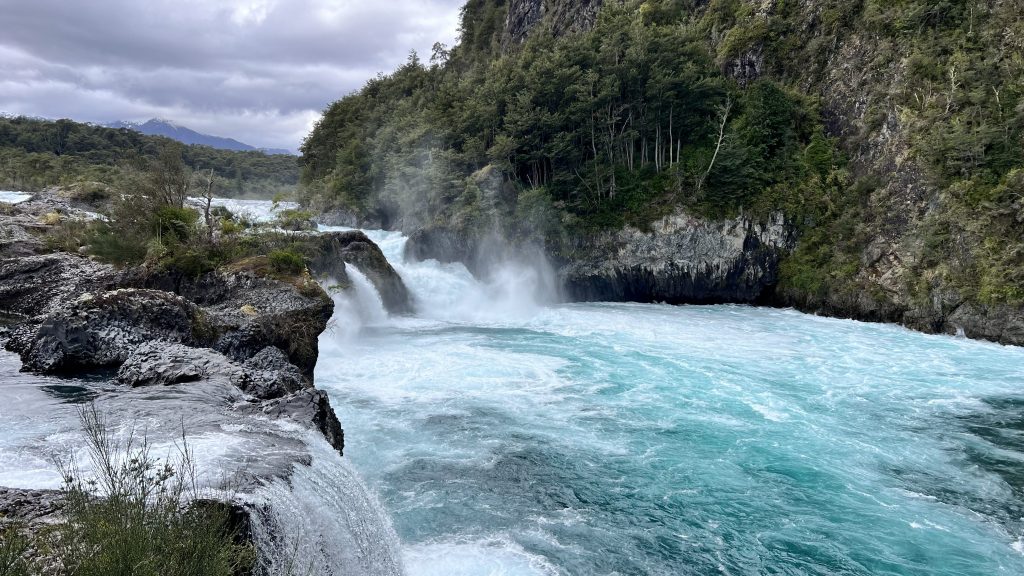
If you were thinking that Buenos Aires is the only destination in South America that suddenly catapults you to Europe, then you were wrong. Even after this twelve-hour bus ride from Viña to Puerto Montt, I wondered whether I was still in Chile or if I had ended up in the Alps. A landscape characterized by high mountain ranges, extensive lakes and lush green forests and fields.
But that’s not all. There are actually around two hundred thousand Chileans of German ancestry living here. In order to get to the bottom of this, we need to take another little history lesson today. But let’s start with the journey to get there.
The Arrival
There are two options for getting to Puerto Montt from central Chile. By air or by land. Taking the plane would of course be faster and more comfortable. But traveling by bus is a lot cheaper. As a low-budget traveler, I chose option two. However, I must once again praise the Chilean buses. The downstairs sleeping cabin with individual, adjustable seats, curtains, and TV is a great place to spend the night. Unfortunately, I still didn’t get that much sleep. ETM is the bus line that offers direct connections from Viña del Mar to Puerto Montt.

The Accommodation
Once again, I stayed traditionally in a hostel. The Islanet Hostel & Bar looks a bit run-down and not particularly inviting from the outside. Inside, however, it is nicely furnished and the friendly staff immediately makes you feel at home. The hostel is run by a family, a mother who lives there with her two kids and offers sleeping accommodation. Included in the price is a rich breakfast that doesn’t lack anything. The owner even bought vegan yogurt especially for me. The only drawback: it gets extremely cold in the evening, so I had to go to bed with a hat and scarf on the second night despite having several blankets.

Day 1:
After my arrival, I went straight to the hostel to leave my luggage. I immediately realized that it was a lot colder here in the south than in Viña, where it was still fresh. A hat and scarf should therefore definitely have a place in your suitcase or backpack.
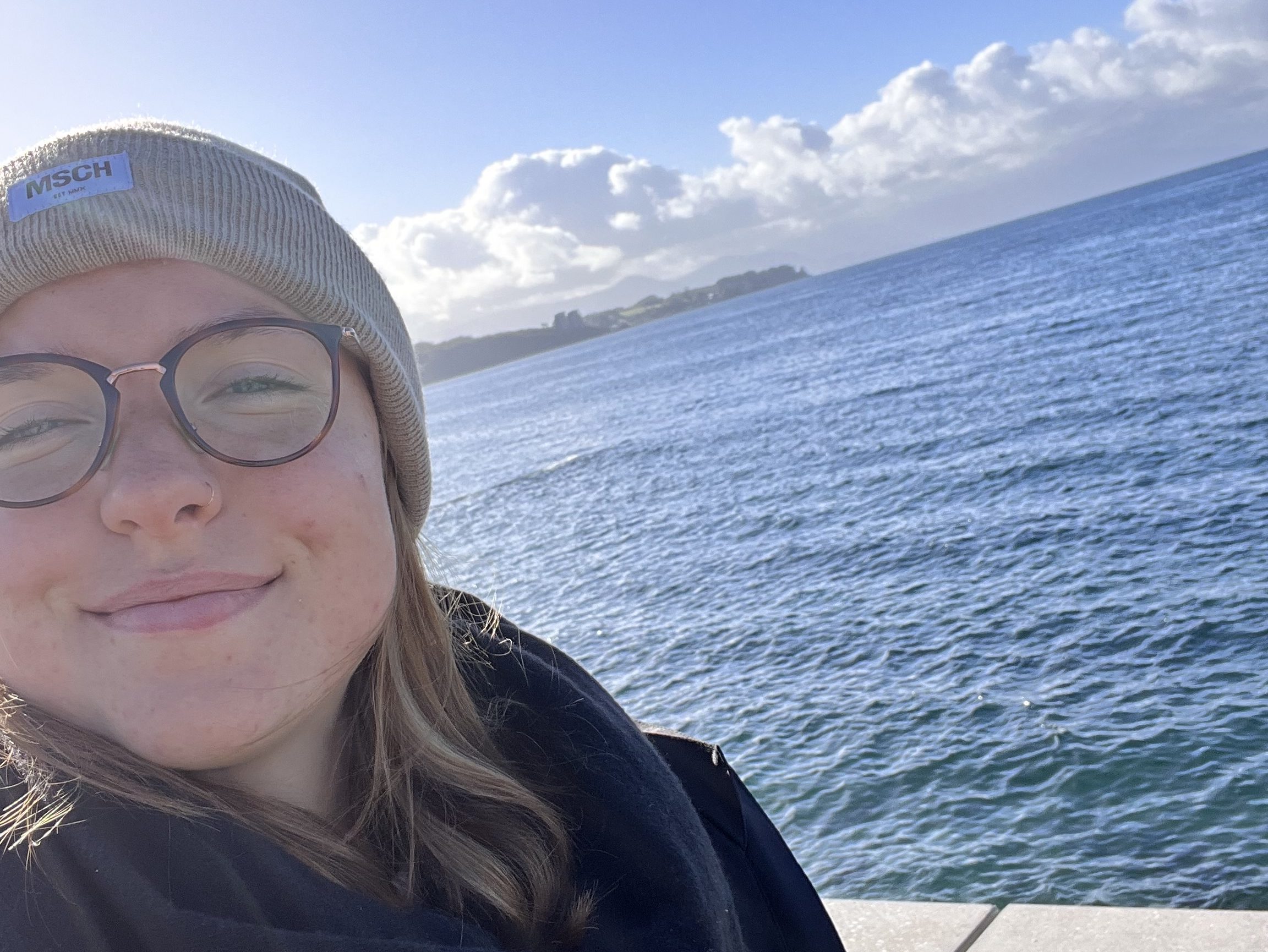
After check-in, I returned to the bus terminal. Puerto Montt is a cute little port town, but doesn’t have much to offer. It’s more of a convenient starting point for trips to the surrounding area. That’s why I took the next bus to Puerto Varas straight away.

But first I had to get something into my stomach. Fortunately, there are plenty of places to eat at the terminal. I picked up a vegetarian pastry from an empanaderia on the first floor, which is located in the very center of the hall. I am describing the location so precisely so that if you are ever there yourself, you can find this stall and try one youself. It would remain my second best empanada in South America.
I then took the bus to Puerto Varas. But before I tell you about the city, let’s go back in time a little.
German Immigrants in Chile
As with Argentina, the first immigrants in Chile date back to the time after the declaration of independence from Spain. However, this was not because the south, just like Buenos Aires, was a particularly attractive center for business and trade. At that time, the area was mostly covered by forest and inhabited mainly by the indigenous people, the Mapuche.
It was for this reason in particular that the Chilean government was looking for settlers so as not to leave the Mapuche to manage the territory on their own. The military expertise in Germany finally convinced the Chileans and so they began to purposefully advertise for German citizens to come to their country. And indeed, within twenty years, around six thousand Germans had settled, mainly in the south of Chile. During the Second World War, more refugees fled to the distant country. Swiss and Austrians also followed the trend.
Although Chile is located on the other end of the world, the new inhabitants certainly felt at home straight away, given the strong similarities in the landscape and climate. The infrastructure, on the other hand, had to be built from scratch.
This is why you can find numerous German-style buildings, German schools and German food in the area around Puerto Montt today. There is also a village to the west of Puerto Varas called „Nueva Braunau“, which translates to „new Braunau“. It was founded by Austrian settlers, albeit before Hitler was born in the Austrian town of the same name.
So now that we’ve learned something new again, we have a better understanding of why I felt like I was walking through an Austrian mountain village when I was in Puerto Varas. I was really blown away. Numerous wooden buildings, small stores selling hiking equipment and cute cafés and restaurants. Some of them even with German names, such as Café Haussmann, offering German food and drinks.
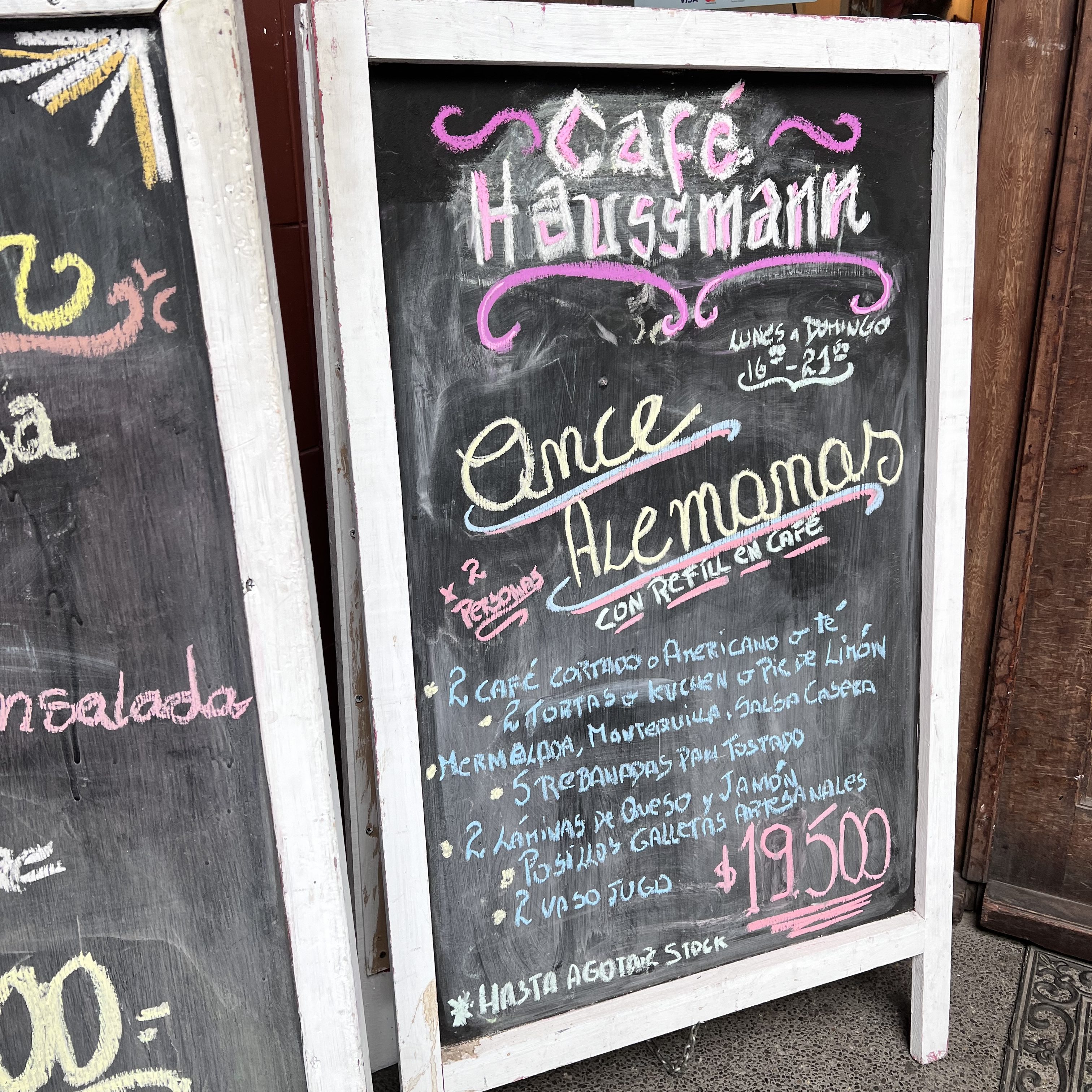
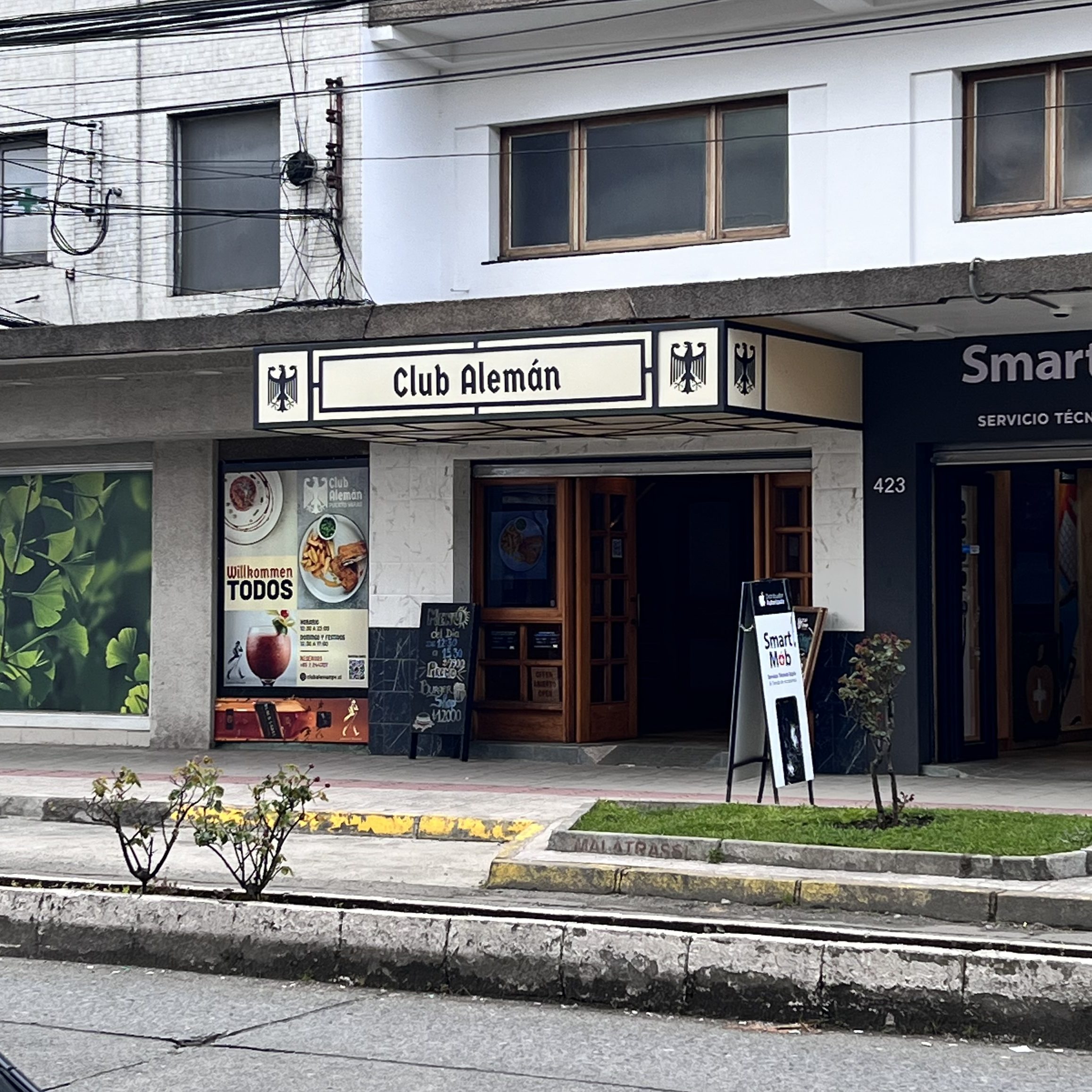
The Cassis Café offers apple strudel, crumble cake and Cappuccino Viena on its menu. In addition, you have a great view of Lake Llanquihue from the rooftop terrace.
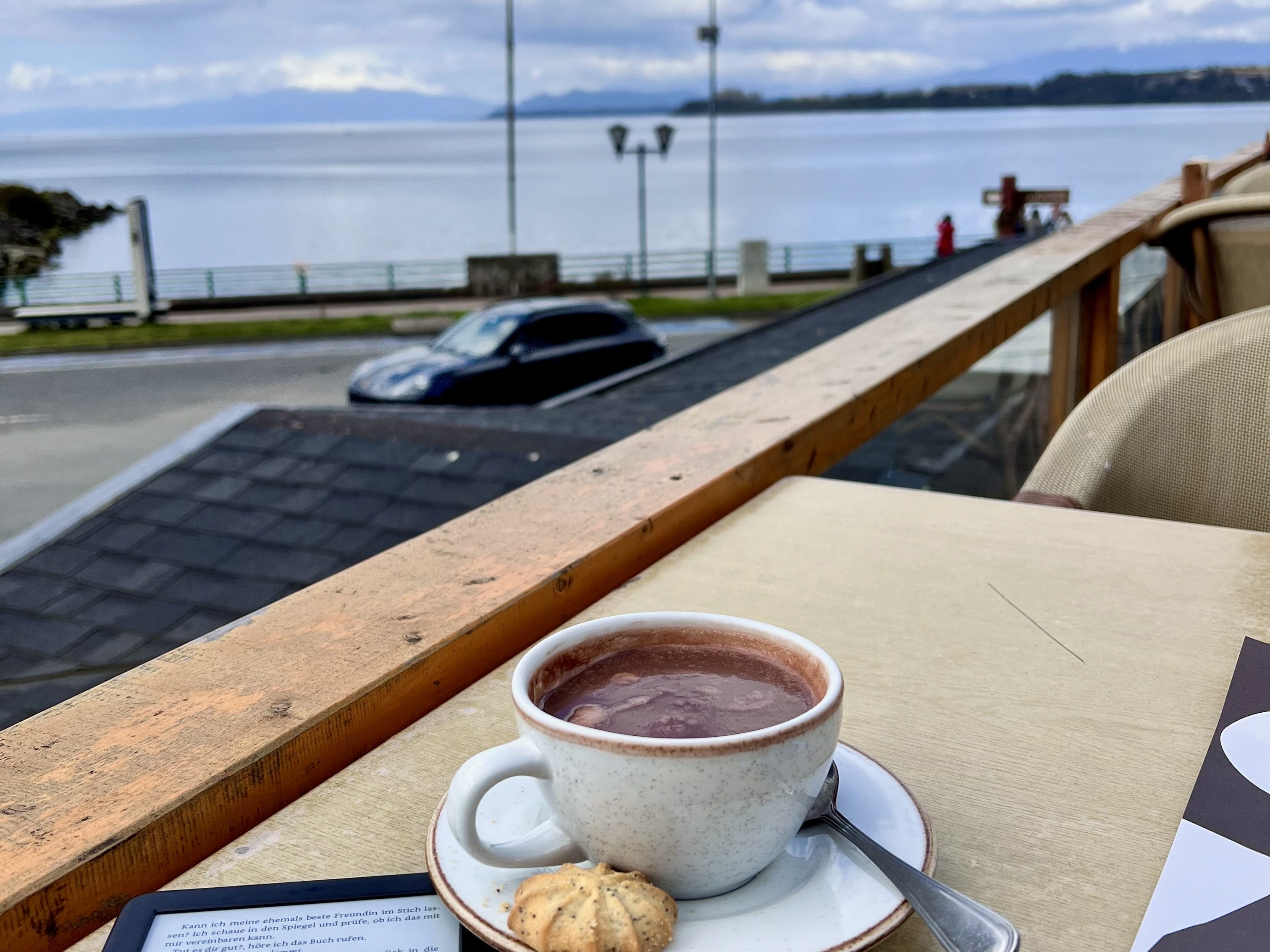
You will find several of these cute little villages around Chile’s second largest lake. The most famous is Puerto Varas, but Frutillar is also said to be well worth a visit.
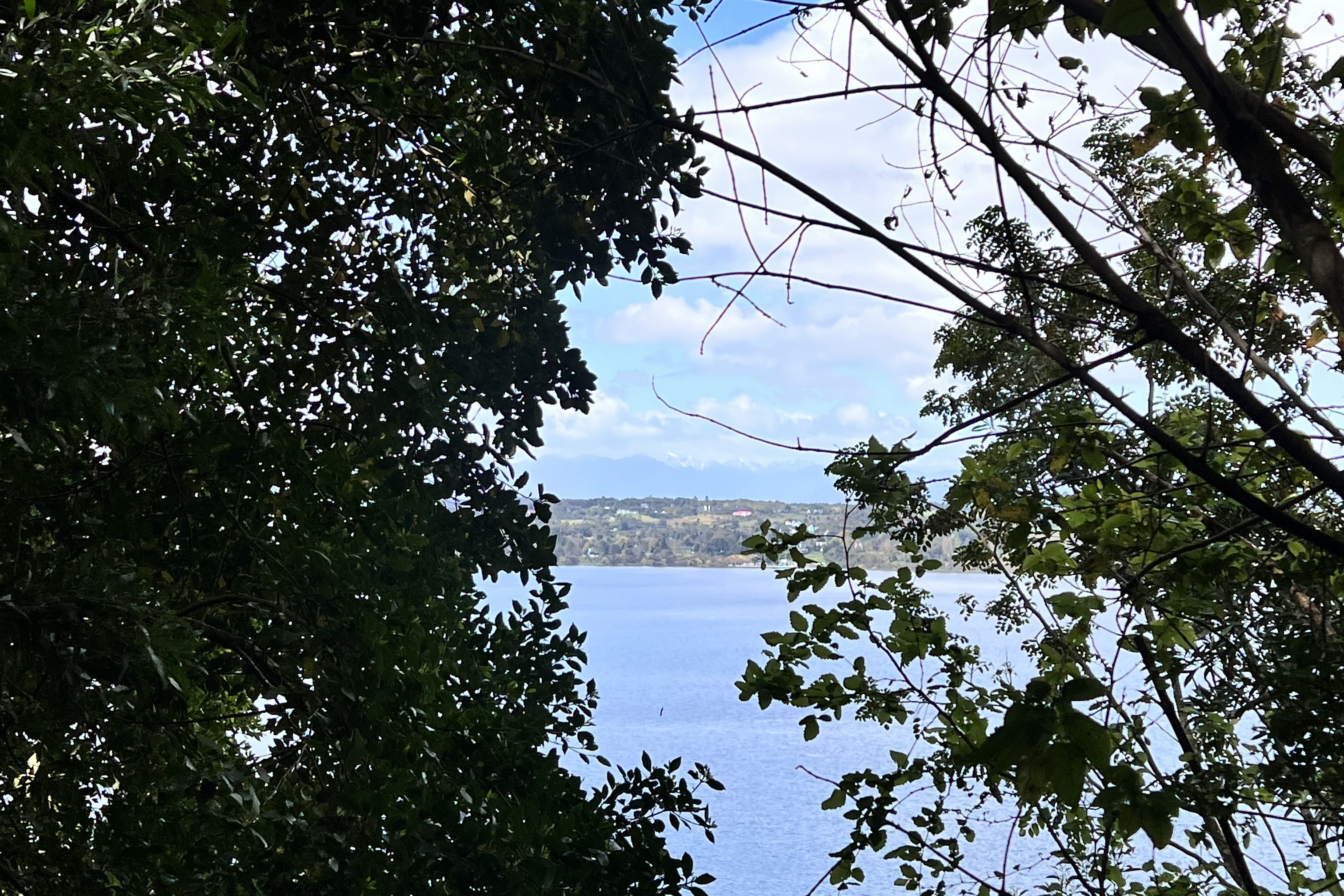
Apart from my little walk through the town, I also hiked to the Mirador Licarayen, a small hill from which you can also enjoy a beautiful view of the lake.
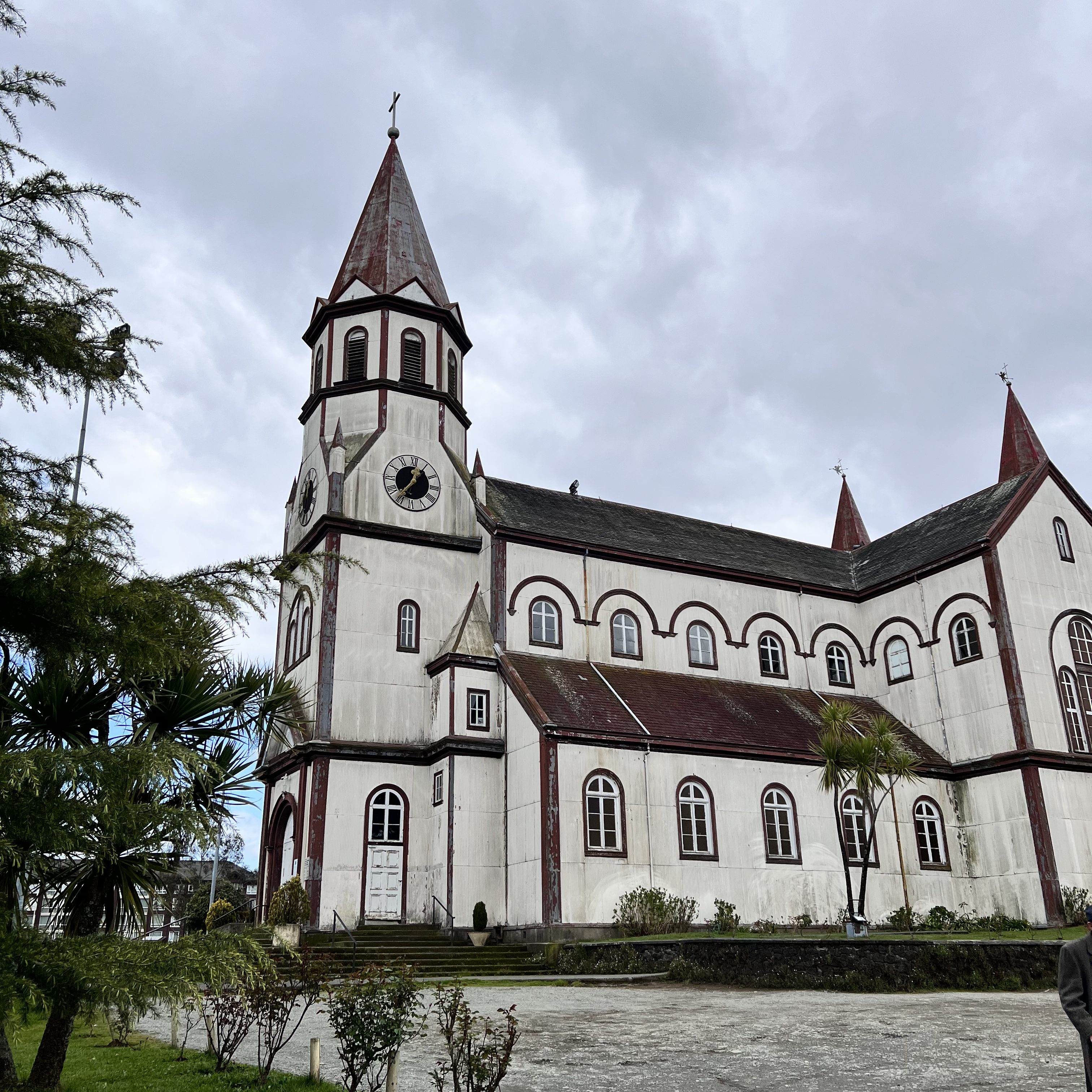
Also worth a visit are the church and some villas in German architectural style, which have been particularly well preserved.

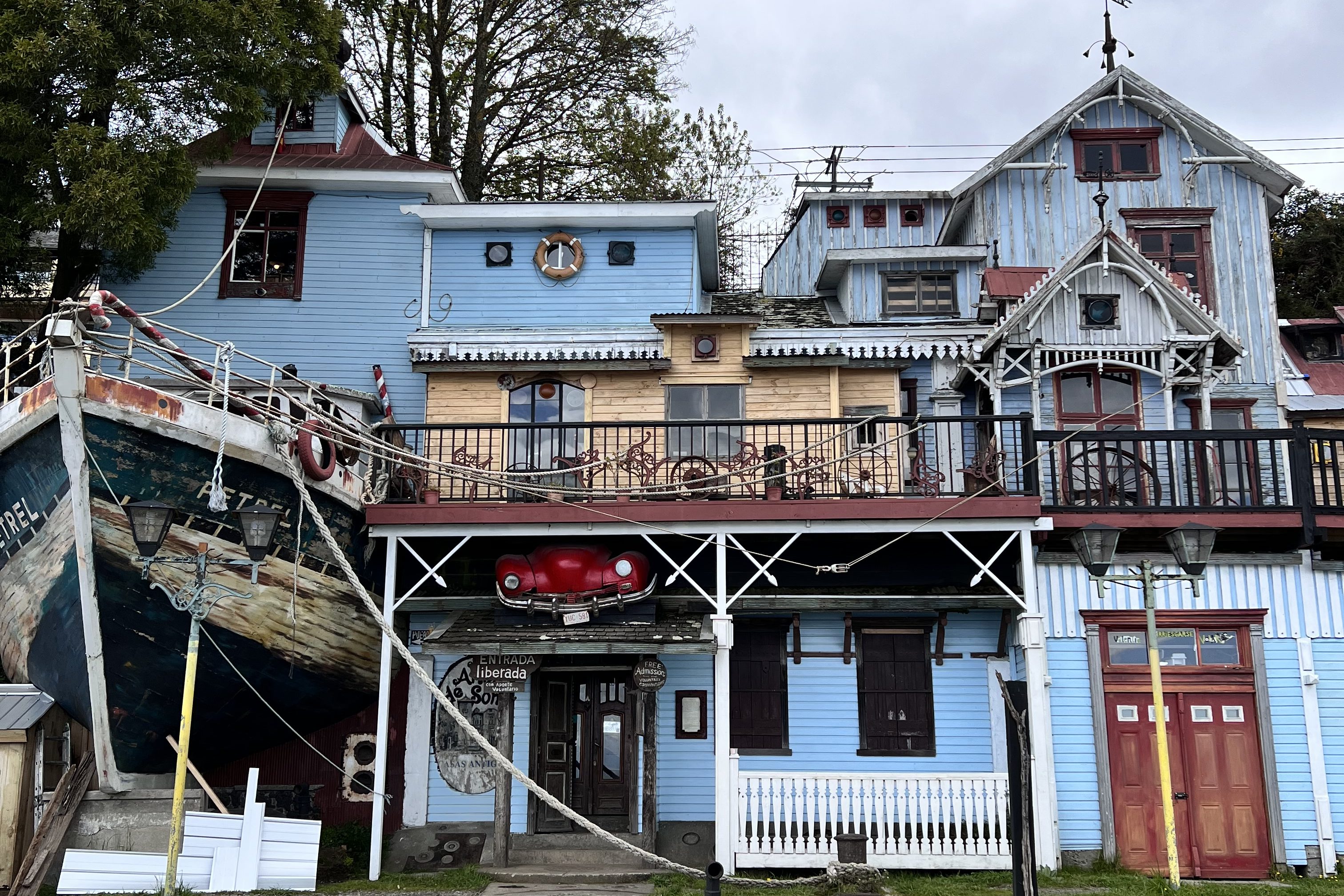
If you walk along the lake shore, you will furthermore pass the Museo Pablo Fierro. Pablo Fierro is a well-known local artist who has built a very interesting museum here, which already from the outside is a unique work of art.
In the late afternoon, I took the bus back to Puerto Montt, where I bought a pair of hiking pants in the shopping center near the hostel. I would have to dress up warm for the next day.
Day 2:
After a generous breakfast at my accommodation, I headed towards the terminal again. This time, however, not to catch a bus, but because that was the meeting point for my today’s day trip. A small coach was already waiting in front of the Ibis Hotel, which is right next to the bus station. We then picked up more people from their accommodations in Puerto Montt and Puerto Varas before the tour could start for real.
This was actually my first time joining a guided tour on my own. I was already familiar with the concept from the Atacama Desert, but back then I was traveling with a friend. Indeed, the rest of the group were all couples from different South American countries. I can’t remember exactly where they came from. (I’m surprised I even remember that much!) However, everyone was super nice and open, including our driver/guide.
The first stop on our tour was Laguna La Poza. We were first equipped with life jackets and then took a small motorboat across a river to the lagoon. There we did a circuit before heading back again.
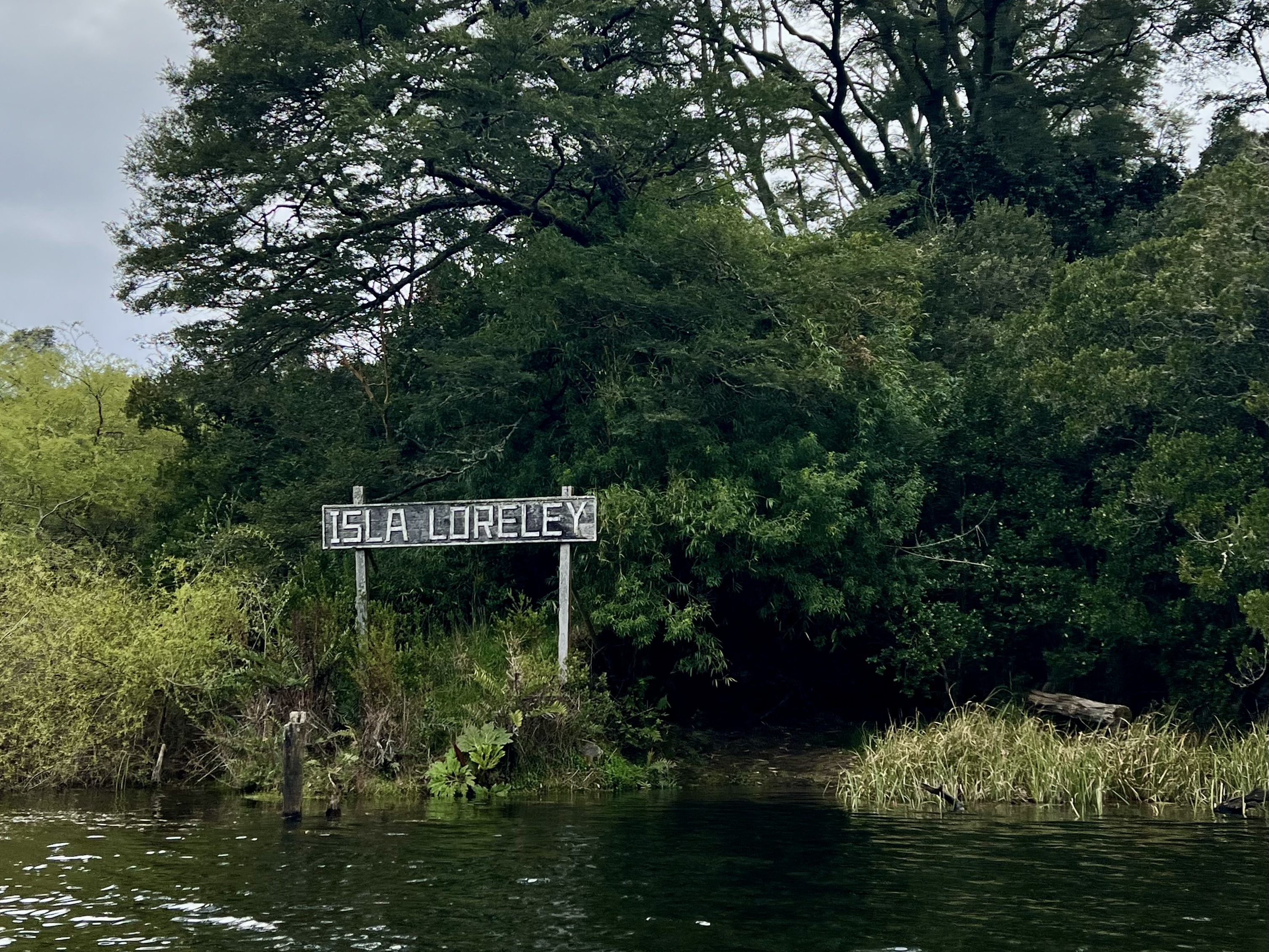
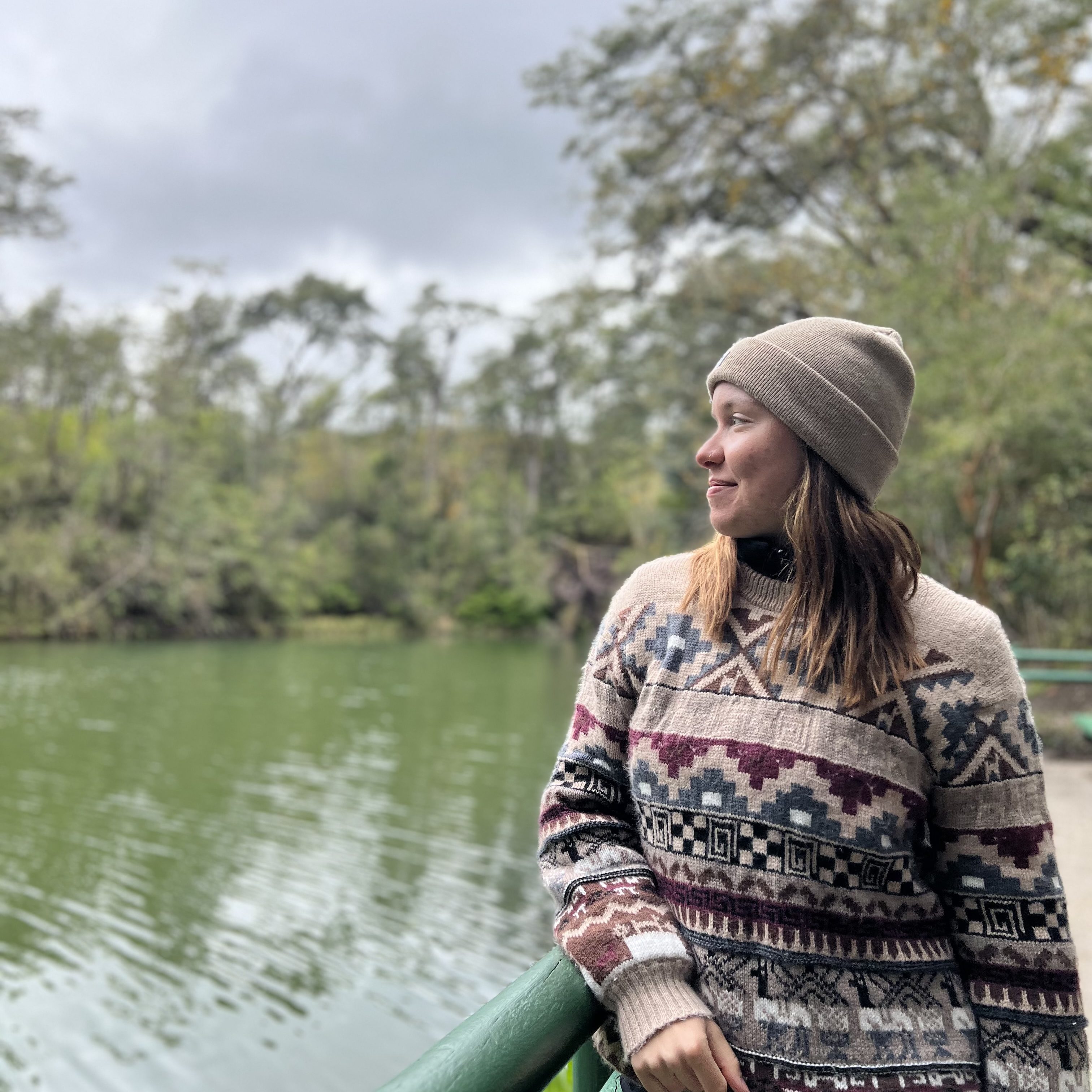
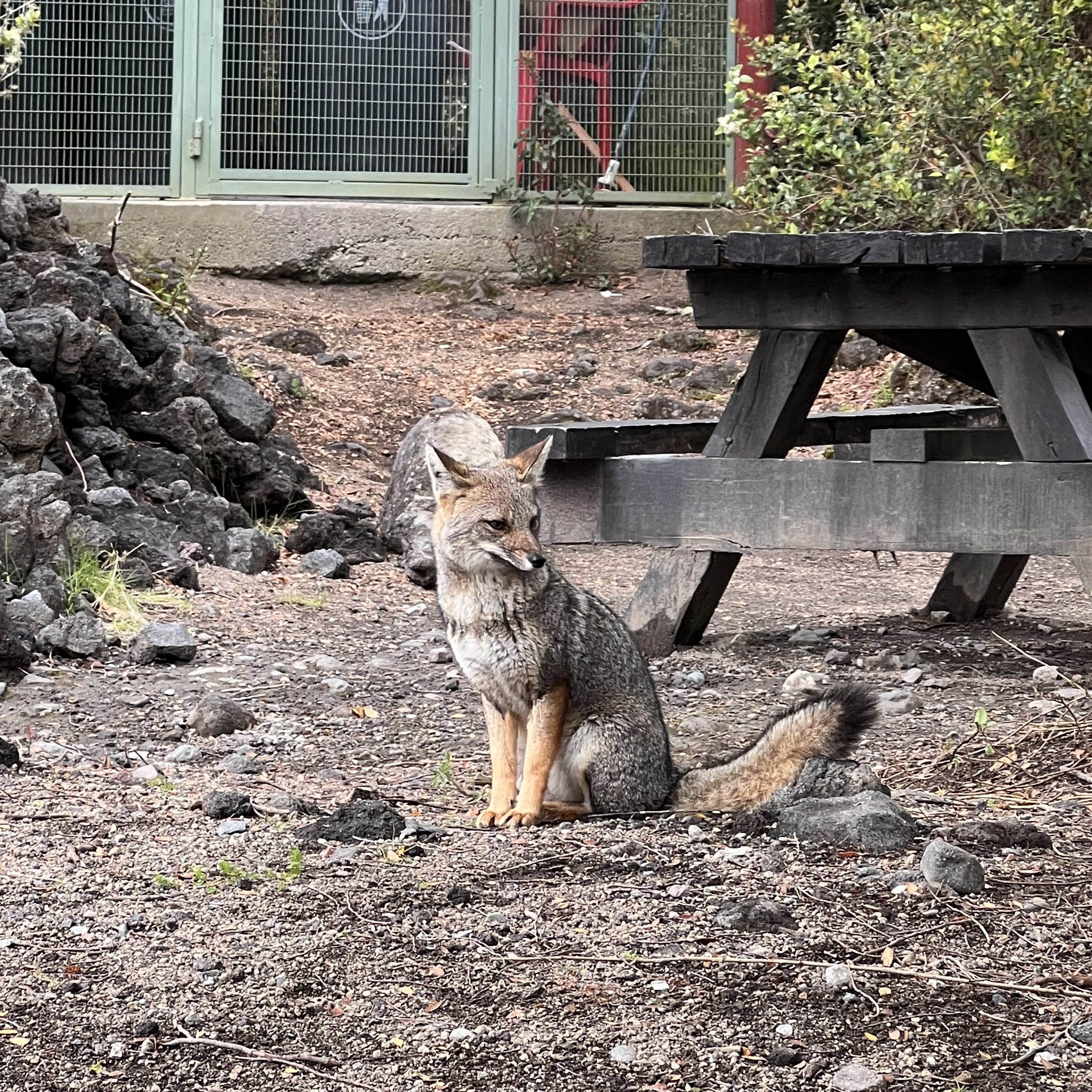
Our next stop was at Laguna Verde. To be more precise, there was a small national park with short hiking trails leading to the lagoon and a platform by the lake. Not only is the nature here very beautiful, but there are also cute animals. For example, we spotted a fox right at the entrance.
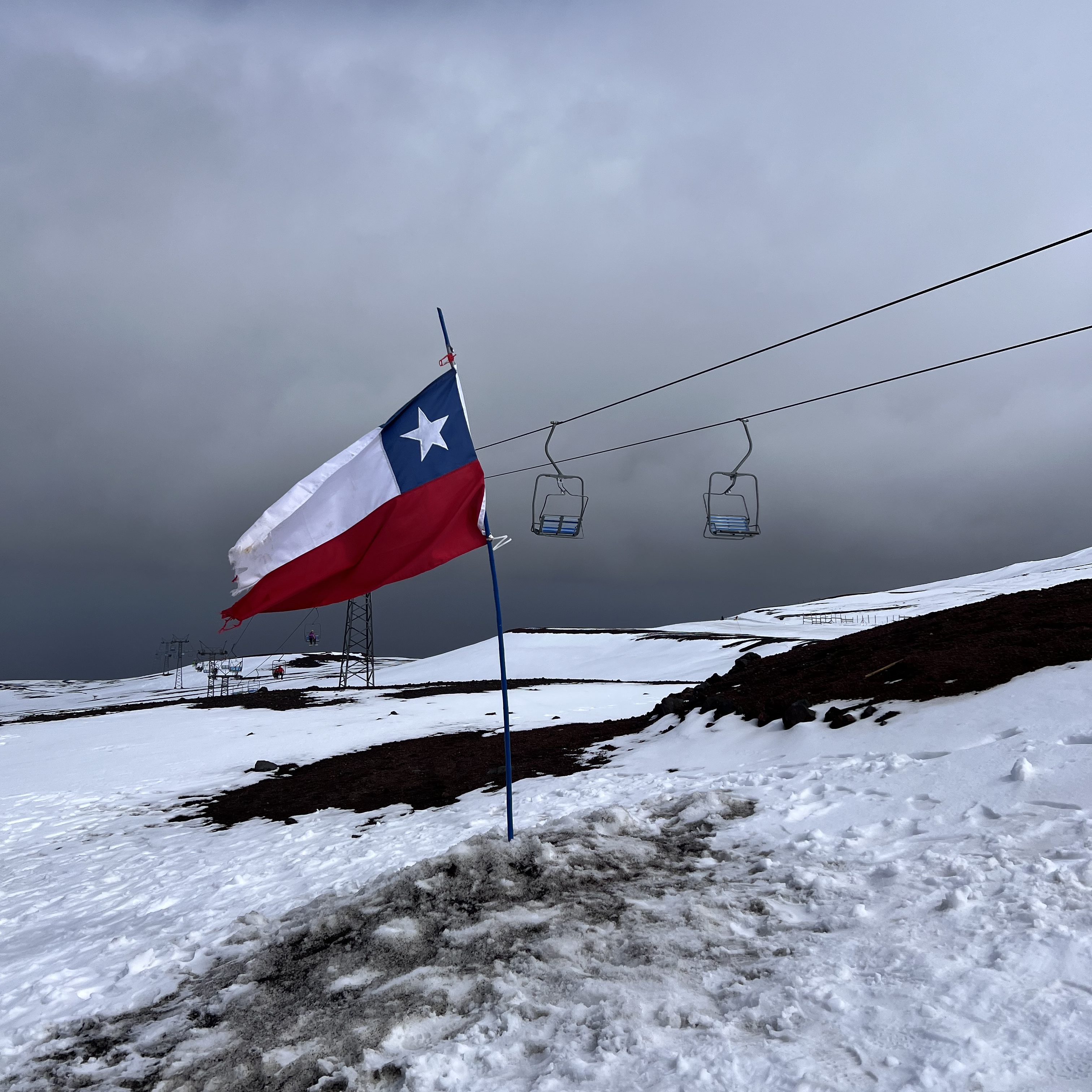
Afterwards, the first highlight of the trip was already on the agenda. We took the minibus up the serpentine road until we reached the ski resort we wanted to head for. The Osorno volcano is not only beautiful to look at, but also ideal for skiing all year round. Of course, we weren’t there to do sports. It would have been far too expensive anyway. Nevertheless, we were allowed to take the chairlift up to the first mountain station. So for the second time, I had some fun in the snow in Chile. From the top you also had a great view of the surrounding area.


Little side note: also in Chile there are many street dogs. They are usually peaceful. In Viña, I was even accompanied to the front door by one when I was walking home alone late at night once (not that this happened often). Nevertheless, caution is always advisable.
We didn’t stay too long, though, as it was freezing cold up there and with four layers of clothing I clearly wasn’t dressed warmly enough.
We then drove back down the mountain road and continued towards our second highlight of the day. The Saltos de Petrohué are a must-see if you are planning a trip to Puerto Montt. The waterfalls are known for their intense blue color. The water comes mainly from the glaciers of the Andes. The glacial flour it contains ensures that the river glows blue when exposed to sunlight. Therefore, on sunny days, the conditions are perfect for admiring the waterfalls in all their beauty.


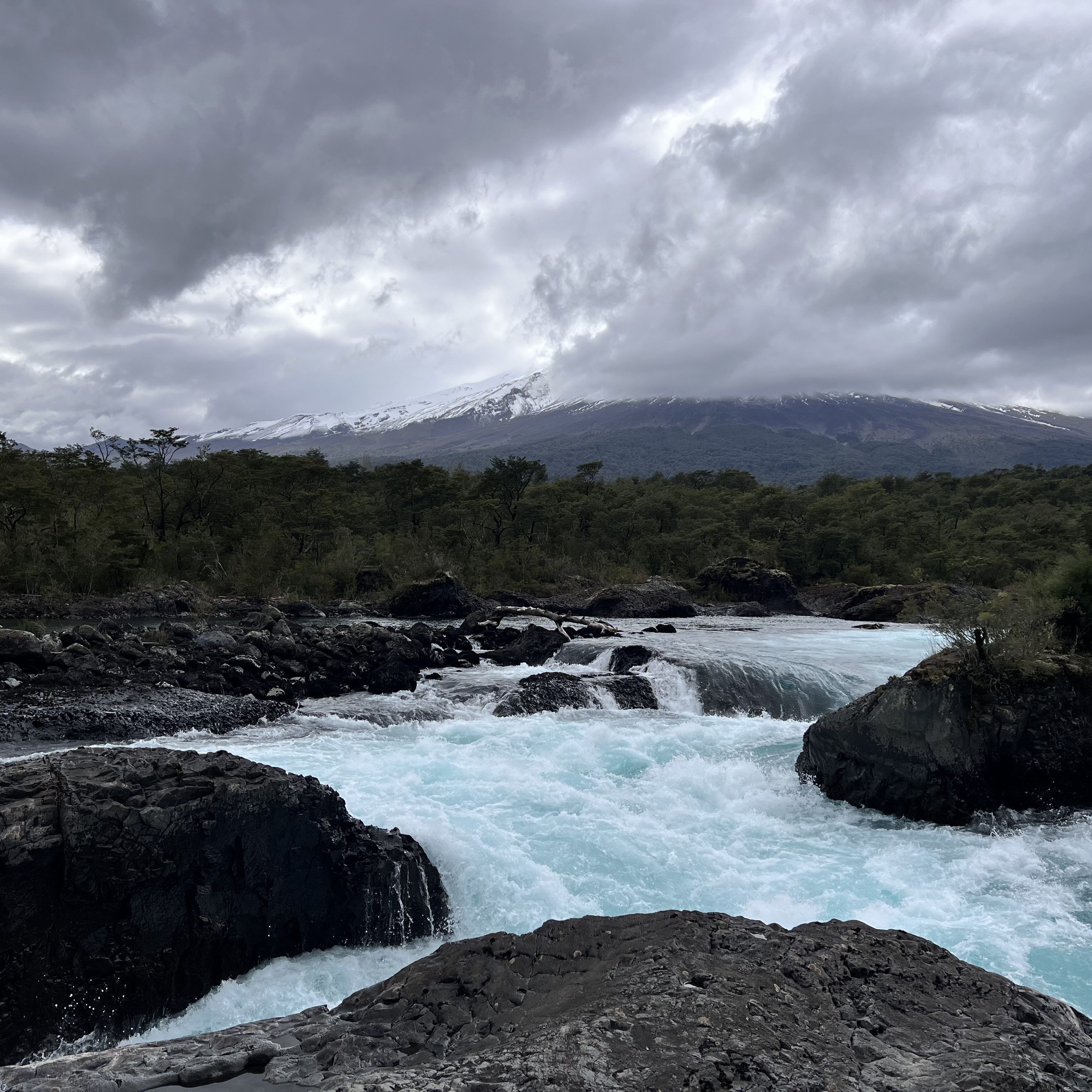
The river originates in Lago Todos los Santos, which is where we went next. Once again, we were equipped with life jackets. This time, however, we went out onto the lake in a slightly larger boat or ship and took a short round trip along the shore.

At our last stop, we finally got a well-deserved lunch. We paused at a restaurant along the way and, on the recommendation of our guide, ordered a lunch menu consisting of a cold starter, soup and main course. I was served fresh local fish. The waitress, who immediately asked about my heritage with great interest, even unpacked a few German terms and explained the menu to me in German (as best she could).
We then headed back to Puerto Montt for another night at the Islanet Hostel.
My Conclusion
The tour had some really impressive highlights to offer. Of course, it couldn’t compete with our trip into the Atacama Desert. However, it is also difficult to compare two completely different experiences.
Despite not being a big fan of the cold, a summer person to the core, it was still nice to see something different from sea, coast or desert. After all, you always need a bit of variety. And indeed, the south of Chile made me a little nostalgic.
As I would not be making it any further south during my four months in Chile, I was glad to have at least seen this. It was extremely interesting to observe the strong European influences here as well.
However, my journey through the south of Chile was not quite over yet. For me, there was more to come. More rain, more cows and more churches. But more about that in my next post. Until then,
Bussi Baba!
 Bussi Baba
Hinterlasse einen Kommentar