

If you have read my travel report on Santiago de Chile, you may remember my slight aversion towards Latin American capital cities. In almost all metropolises, caution is advised, especially in the historic city centre, as this is where most of the poverty is to be found. Buenos Aires, however, is an exception. The poorer social classes are concentrated on the outskirts of the city. What remains is a beautiful old town and a modern centre.
I, at least, have shockingly fallen in love. Not that I’m that easy to convince, but I’ll probably keep saying that in my posts.
But what exactly makes the Argentinian city so attractive and why other Latino capitals can’t keep up with it, you’ll find out in this article.
The Arrival
The journey to Argentina was probably my first (and only?) that actually turned out to be very comfortable. Yes, you heard me right. That means no sleepover and no spontaneous parties or street dogs at the airport.
It is very easy to find flights to Buenos Aires from Santiago de Chile. The regional airline LATAM also offers connections. Luckily for me, I found a very cheap flight with the airline KLM, which had a stopover in Buenos Aires. For me, this meant breakfast on board and even my own television. A luxury that you don’t normally experience on short-haul economy class flights. It took less than three hours to arrive. It was just enough time for me to watch the new Fast and Furious movie, which had just been released in cinemas, split between the outward and return flights.

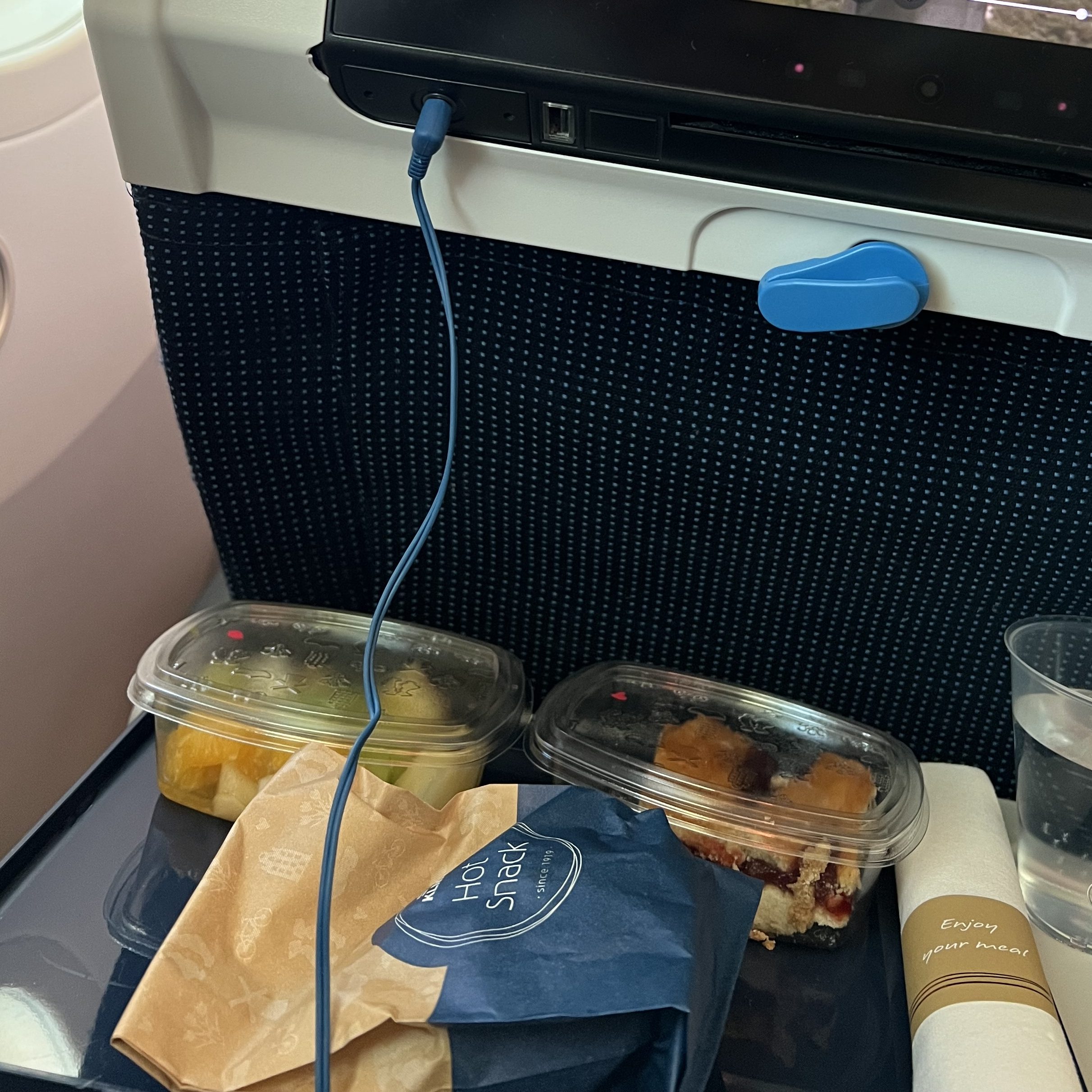
Once I arrived at the airport, I took a bus to the city centre. To get to the terminal, you have to leave the arrival hall, cross the road and walk a little further straight ahead. Around the corner on the left you should find a sign saying „TiendaLeón“. This is your bus. As the airport is a little further out, it will take you about an hour to get to the city centre. This will also be the only time you pass the city’s relatively poor neighbourhoods.
The First Impresseion
Back in Chile, I had already made a rough plan of the best way to explore the city. Buenos Aires is huge and, above all, very widespread. Fortunately, I had four days to see at least the highlights of the city. This meant I had to take two days off from university and I might even have missed an exam 🙂
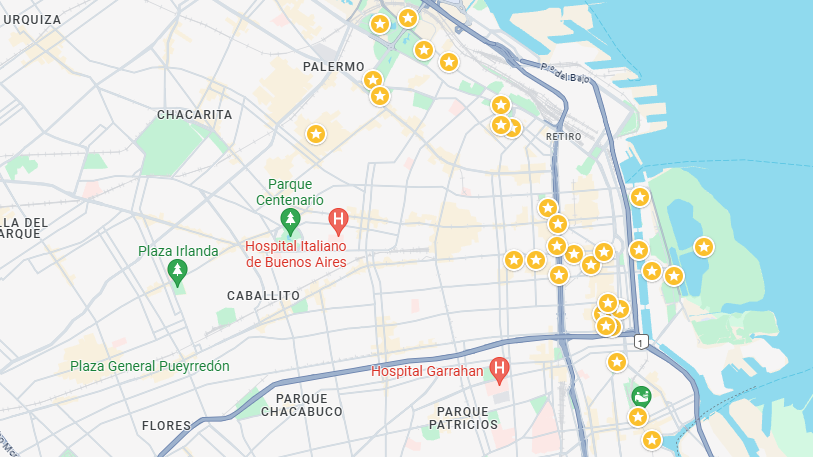
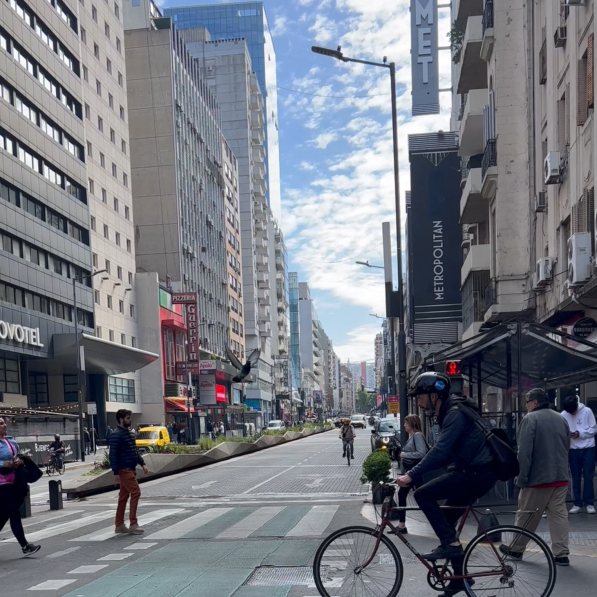
When we finally arrived at the terminal and I got off the bus, I briefly wondered whether I had landed in Buenos Aires or New York City. Although I had never been there before, the Avenida Corrientes with its tall buildings reminded me a lot of images of the US metropolis. Known for its tango scene, the avenue is also referred to as „the street that never sleeps“ or the „Broadway of Buenos Aires“.

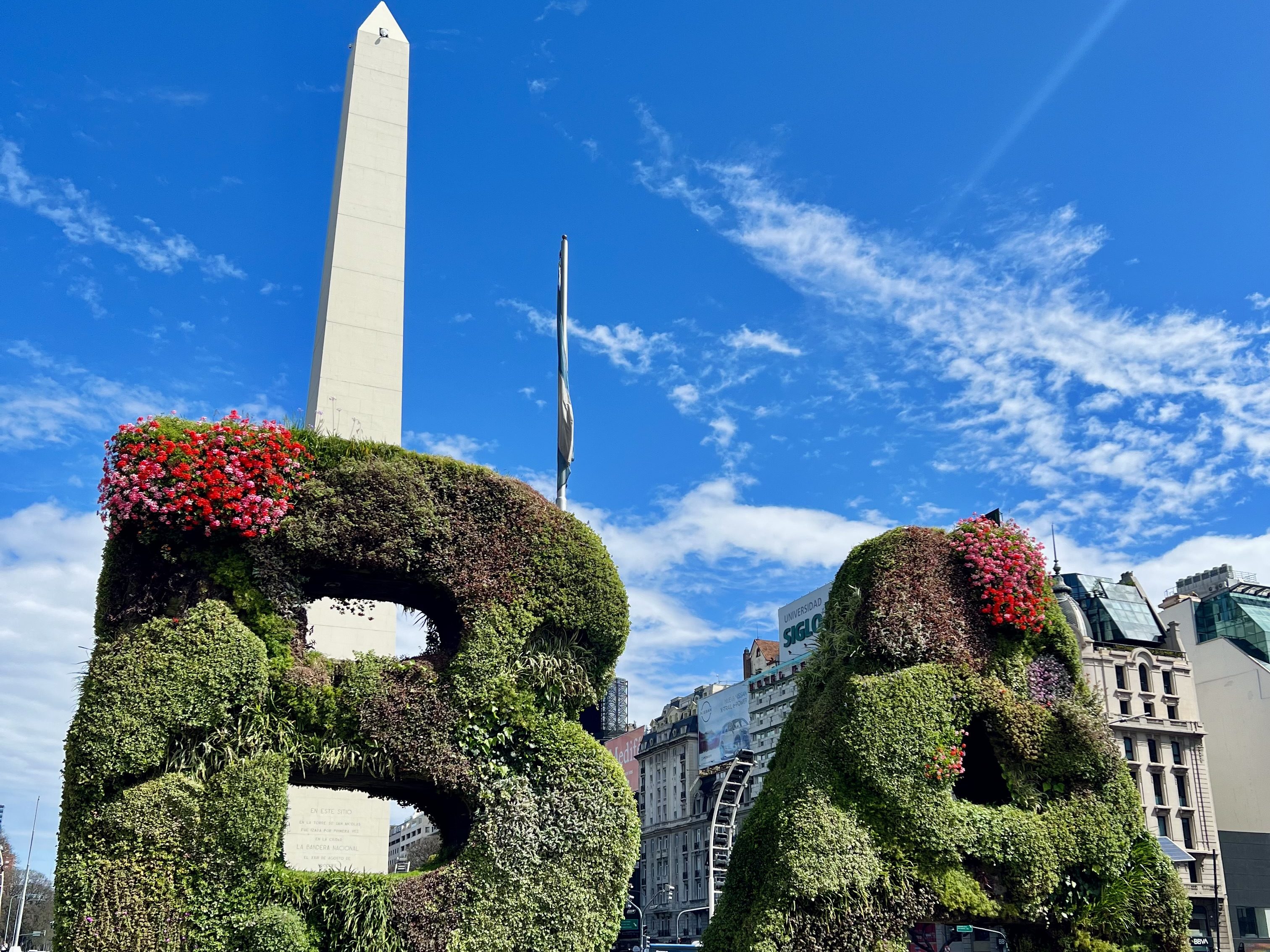
If you continue walking along the street, you will at some point reach the Plaza de la República, where you can find the famous Obelisk and, of course, lots of tourists.
Equipped with my backpack for four days, I marched on. With so many sights to see, I had no time to waste. There is a small cultural district with a number of theatres nearby. Among the theatres worth seeing are Tango Porteño, where tango performances take place, and the Teatro Colón. Even though I am not an architecture professional, this theatre reminded me a lot of the construction style of the Vienna State Opera. If you have a look at the photos, you will also notice that the interior is not lacking in splendour.
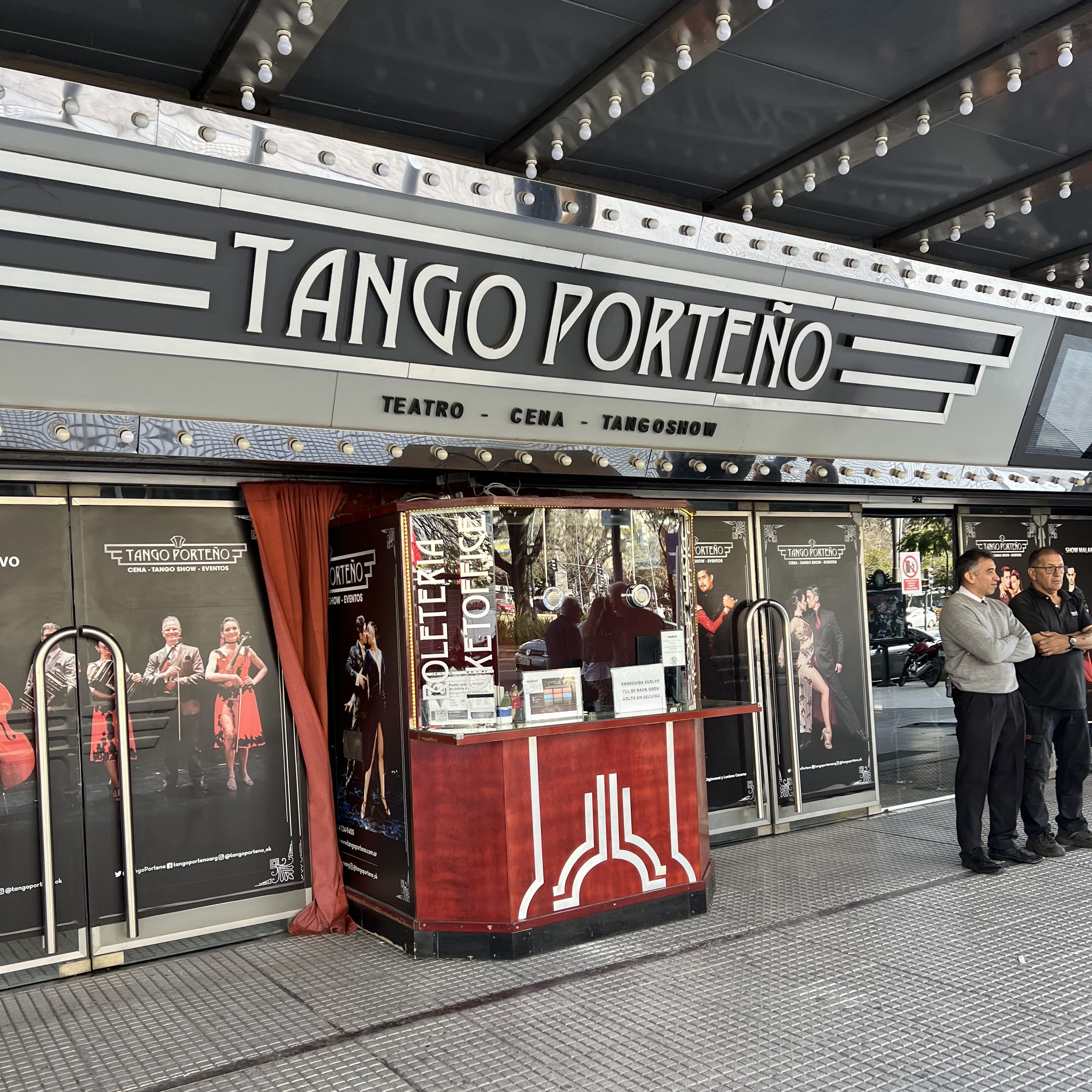
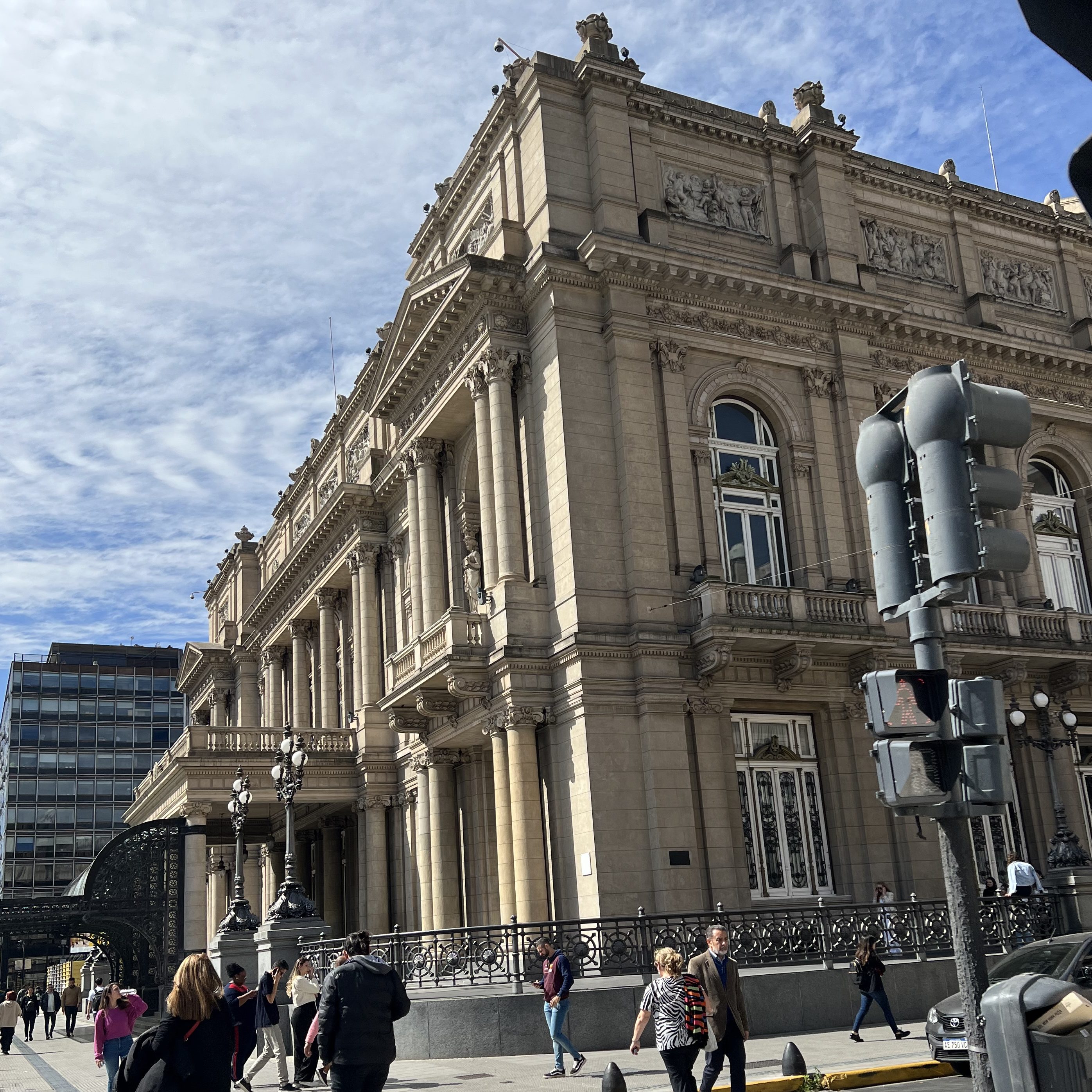
European Influences
Let’s answer the most important question first. Why is Buenos Aires sometimes compared to metropolises like Paris, Rome or Madrid, while the rest of the big cities have much more of a Latino flair?
After Argentina declared its independence from Spain at the beginning of the 19th century, there was a major economic boom. The important port allowed Buenos Aires to flourish into an important trade and economic centre. This also attracted many Europeans to the city. Immigrants from Spain and Italy in particular strongly influenced the city’s cultural scene, customs and traditions.
The architecture is characterised by styles such as baroque, neoclassical and art nouveau, all of which we know well from the Austrian capital. The wide boulevards, squares and parks are also reminiscent of European cities.
In gastronomy, the Milanesa, Schnitzel in Austria, is a typical main dish. But pizza and homemade pasta are also an important part of Argentinian cuisine. Almost as important is the art scene with numerous theatres, museums and, of course, dance.
Therefore, Buenos Aires and New York are very much alike. It is not only the skyline with its numerous skyscrapers, but also the long history of immigration of people from a wide variety of backgrounds that gives rise to the many similarities. In both cities, this diversity is reflected in all areas. Architecture, gastronomy, events and ambience.
Some would argue that these influences have also rubbed off on the people, which is why the Porteños (inhabitants of Buenos Aires) are sometimes described as arrogant and vain 😁
So, now that we’ve all learnt something (thanks to ChatGPT), I can continue with my travelogue.
Another peculiarity that I noticed for the first time in Buenos Aires, but which can be seen in pretty much all South American cities, is to be found in the sales strategies. You walk down one street and all you find are music shops with all kinds of instruments and technology. In the next street, every second shop is an electronics retailer. And in the third, one hairdresser after another. Terms such as marketing and unique selling proposition do not seem to have arrived in South America yet, or at least not in the majority of society. Of course, this is a huge advantage for customers. If you are looking for something specific, a dream.
Anyway, I walked along the Music Passage towards the National Congress, the Argentinean government headquarters. Another very impressive building in the classicist style.
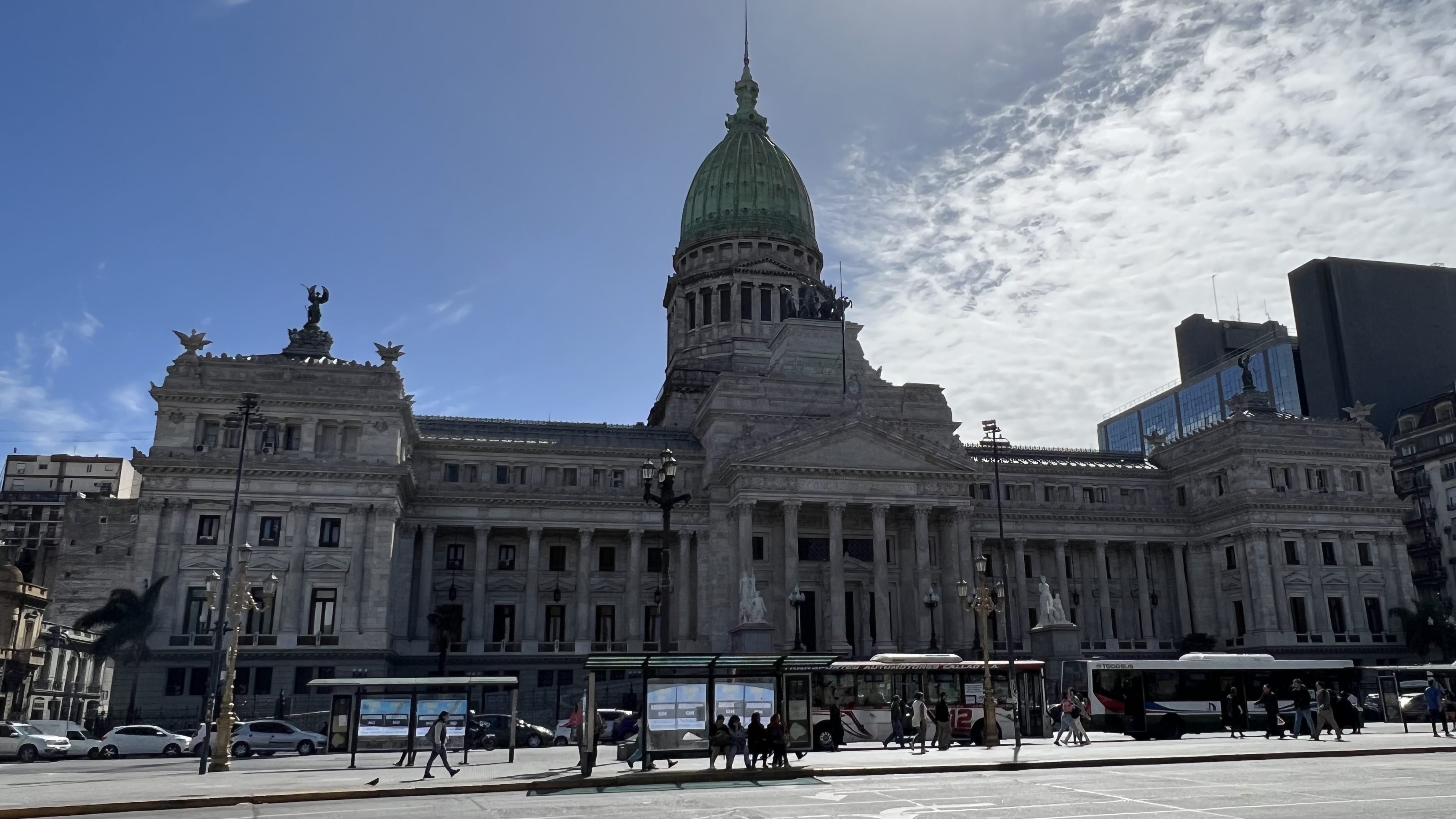
Along Avenida de Mayo I continued my walk, where you can find even more beautiful architecture. Including Café Tortoni. Vienna is not the only city with a special coffee house culture. The interiors of many old cafés in Buenos Aires are reminiscent of ours in Austria. Coffee houses were primarily used as venues for events, literary lectures or discussions. The exclusive Tortoni is also known for its tango shows. Long queues outside the café are not uncommon.

The end of Avenida de Mayo is formed by the Plaza de Mayo, a popular square for demonstrations, with Casa Rosada, the presidential residence. The name Casa Rosada, which translates as Pink House, comes from the interesting design of the palace.

But the tour wasn’t over yet. My last stop was at Mercado San Telmo, the most famous market in Buenos Aires. In contrast to the classic central markets of South America, however, you will hardly find any fresh fruit or vegetables here, but mainly restaurants with national and international cuisine, small open show kitchens with plenty of space to sit down, as well as a few souvenir stands and other shops.
Argentina is of course best known for its asado, which is grilled meat and sausages. However, as already mentioned, these are not the only gastronomic highlights in Buenos Aires. As a big pizza lover, I of course had to try the Argentinian pizza, even if it doesn’t have much in common with the Napolitan style. In the classic fugazzeta, the cheese is baked into the dough. The whole thing is topped with plenty of onion. Neither onion nor cheese is used sparingly in this dish. A true calorie bomb. But also super tasty.
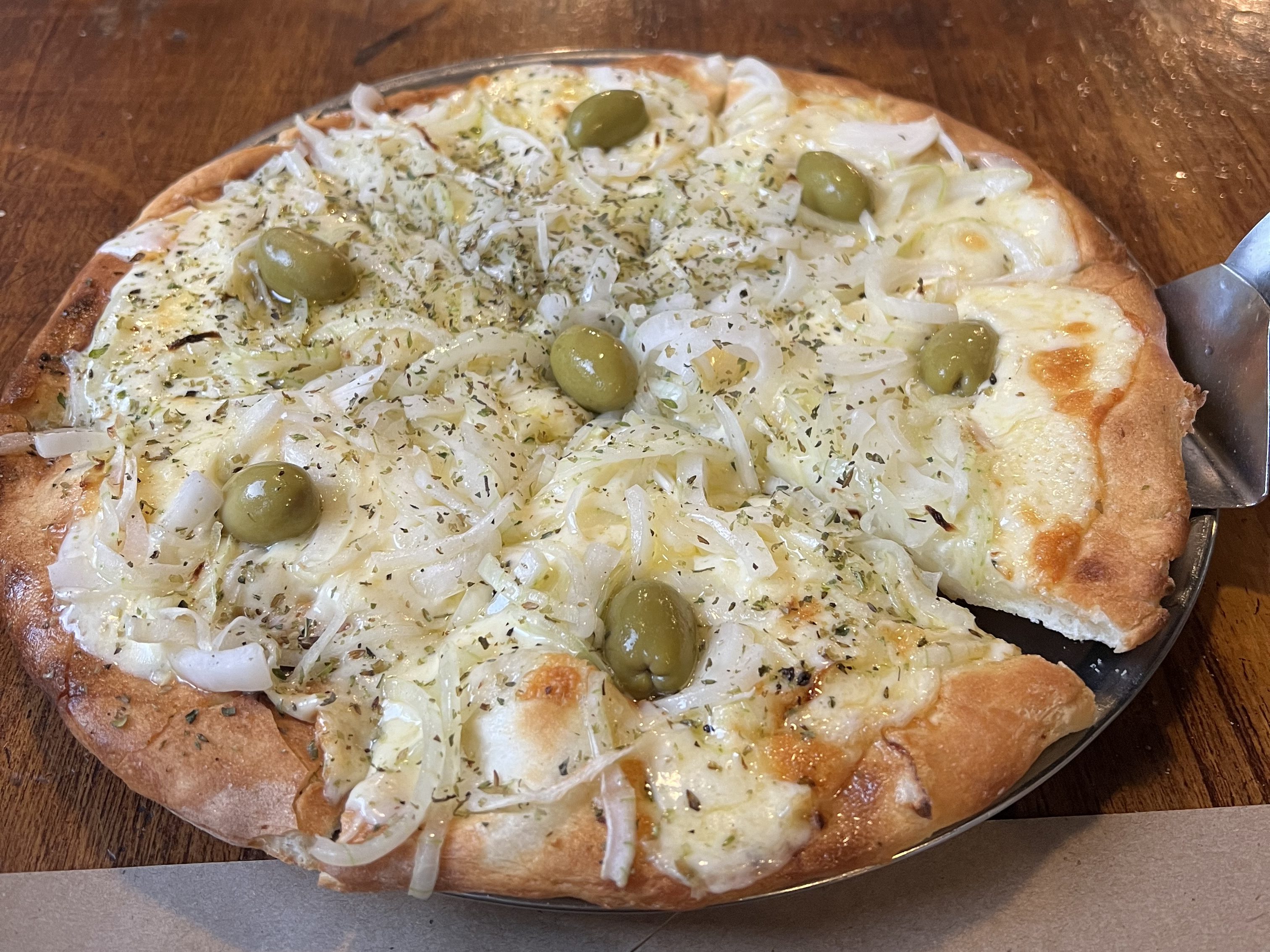
So, after walking and eating enough for the next three days, I finally headed to my accommodation.
The Accommodation
I’ve waited until now to tell you about my accommodation in Buenos Aires. For once, I didn’t stay in a traditional hostel or AirBnB. To coincide with my last post about getting to know people abroad, I’ll give you another insider tip that I myself got on my first solo trip through Europe.
You’ve probably heard of couch surfing. It’s a very cool concept. But as a young woman travelling alone, I was a little sceptical about staying overnight with a complete stranger. It’s a good thing I found out that there is a Facebook group called „Host A Sister“ where women can network to offer or search for a place to stay. All free of charge, of course. So, it’s exactly the same principle as couch surfing, but via Facebook and exclusively for women. I thought the idea was very cool at the time but had never tested it myself. Before travelling to Buenos Aires, I thought to myself that I could give it a try.
And indeed, a young woman got in touch with me within the following days. I was supposed to meet her today and stay with her for the next few days. Of course, we had already talked a bit on WhatsApp beforehand and clarified the most important points. So, she wasn’t a complete stranger to me. Nevertheless, I was still a little nervous.
But it turned out to be a great success for me. My host was a young woman called Flor, originally from Uruguay, who lived in a small flat near the San Telmo Mercado. She played the violin and was in a tango orchestra herself. We got on well straight away. For her, it was also the first time she had hosted a woman.
And the advantage of the whole thing is not only that you save on accommodation costs, but also that you get recommendations and a short introduction to the city from a local. Plus you get to meet cool new people. The only downside was the cockroaches in the kitchen.
Day 2:
After my new friend had helped me buy a metro ticket, which turned out to be not so easy, I continued exploring the city on my own. She had to work and I had to keep working off my list.
Palermo district is best known for its beautiful parks and ponds. There is one after another, including a beautiful botanical and a Japanese garden. With so much greenery in one city, I felt like being back in Vienna.
During my extensive walk and a small picnic lunch, it first occurred to me that Buenos Aires must be a really cool city to study at. Unfortunately, life in the metropolis is not that easy. Housing prices are high, while incomes are relatively low.
Apart from that, the prices when I was there were a dream, especially if you were coming from Chile. All the food, clothes and other things you could buy were extremely cheap. However, Argentina has experienced an immense inflation since then, so, from what I’ve heard, it’s now even more expensive than Chile.
When I exchanged money on the first day, I received my two hundred dollars (which I clearly didn’t need) only in thousand pesos notes. That’s the equivalent of about one euro. I don’t think my wallet has ever been that full.

After exploring the parks, I headed to Barrio Chino, the Chinatown of Buenos Aires. A really cool neighbourhood. This is where you can find lots of delicious Asian street food.
After returning to the flat, Flor and I got ready for a night of tango, salsa and wine. Today, my new friend was going to introduce me to the nightlife of Buenos Aires.
We first went to a small bar where a live band was playing tango. Meanwhile, we enjoyed a bottle of red wine and fresh empanadas. They’re also very delicious in Argentina, and the wine was very cheap back then. A good start into the evening.
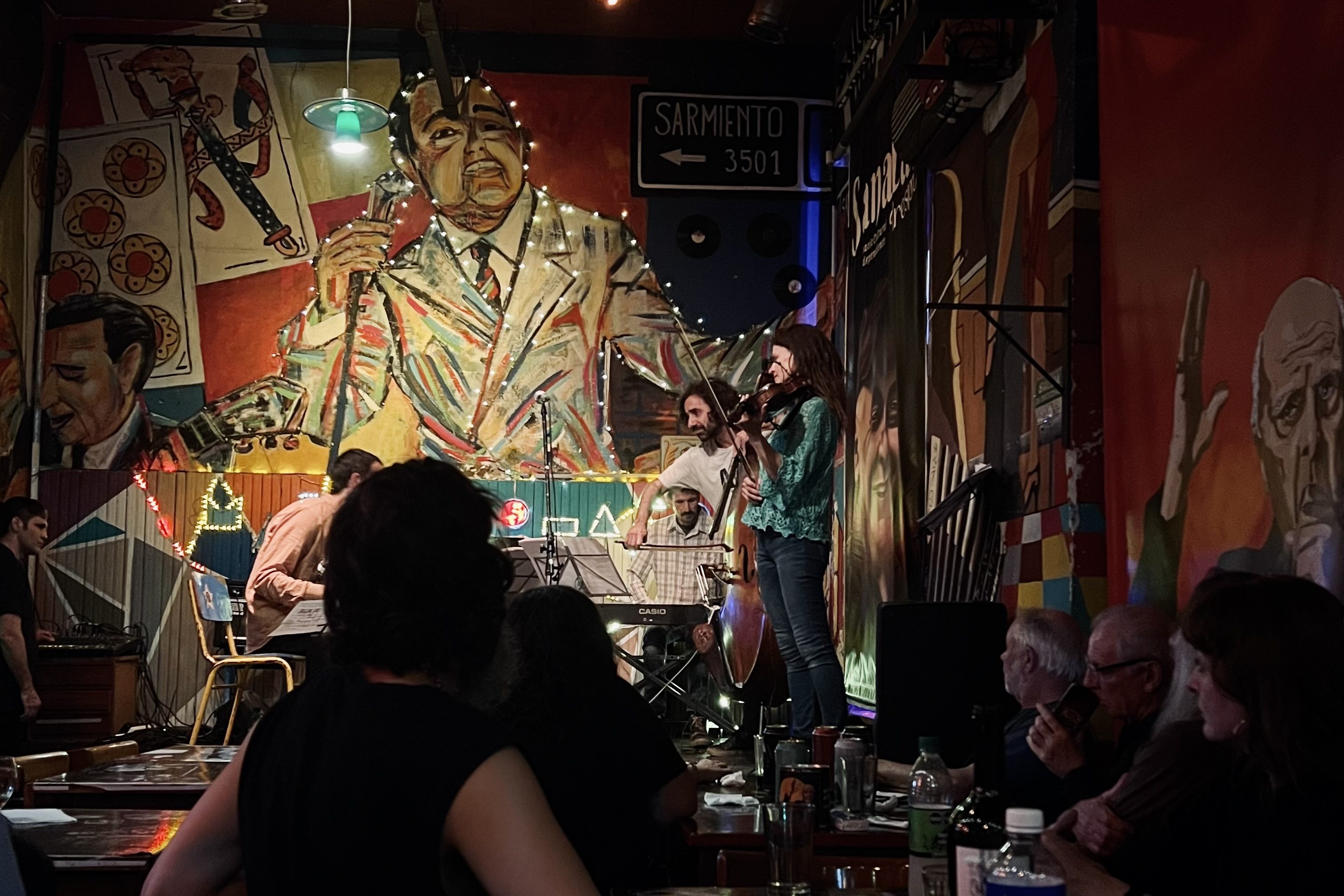
So, after listening to some tango, we went on to a tangerine, a kind of nightclub where people dance tango. Here I was able to observe a bit while the professionals were enjoying themselves on the dance floor.

We ended the night at a club where salsa was played and danced. I was finally able to swing a leg myself.
Day 3:
Unfortunately, the third day began with slight nausea and a stomach ache. Self-induced, of course. Nevertheless, I didn’t want to waste much time again, so I headed into the city centre once more.
Today I first visited a library. But not just any library. Even non-bookworms will be delighted here. El Ateneo is a former theatre that has been converted into a bookshop. Instead of seats, you’ll find bookshelves lined up on several floors. Well worth a visit.

I then continued my walk to Recoleta Cemetery. In front of the cemetery there is a huge market selling mainly fabrics, jewellery and other handicrafts. You can spend hours there. Here I also tried the famous alfajores. These sweet pastries, consisting of two biscuits filled with a thick layer of dulce de leche can be found all over South America. However, they are particularly popular in Argentina, where dulce de leche is also an important food staple. There are entire shops that exclusively sell this sweet cream in a wide variety of forms and flavours.
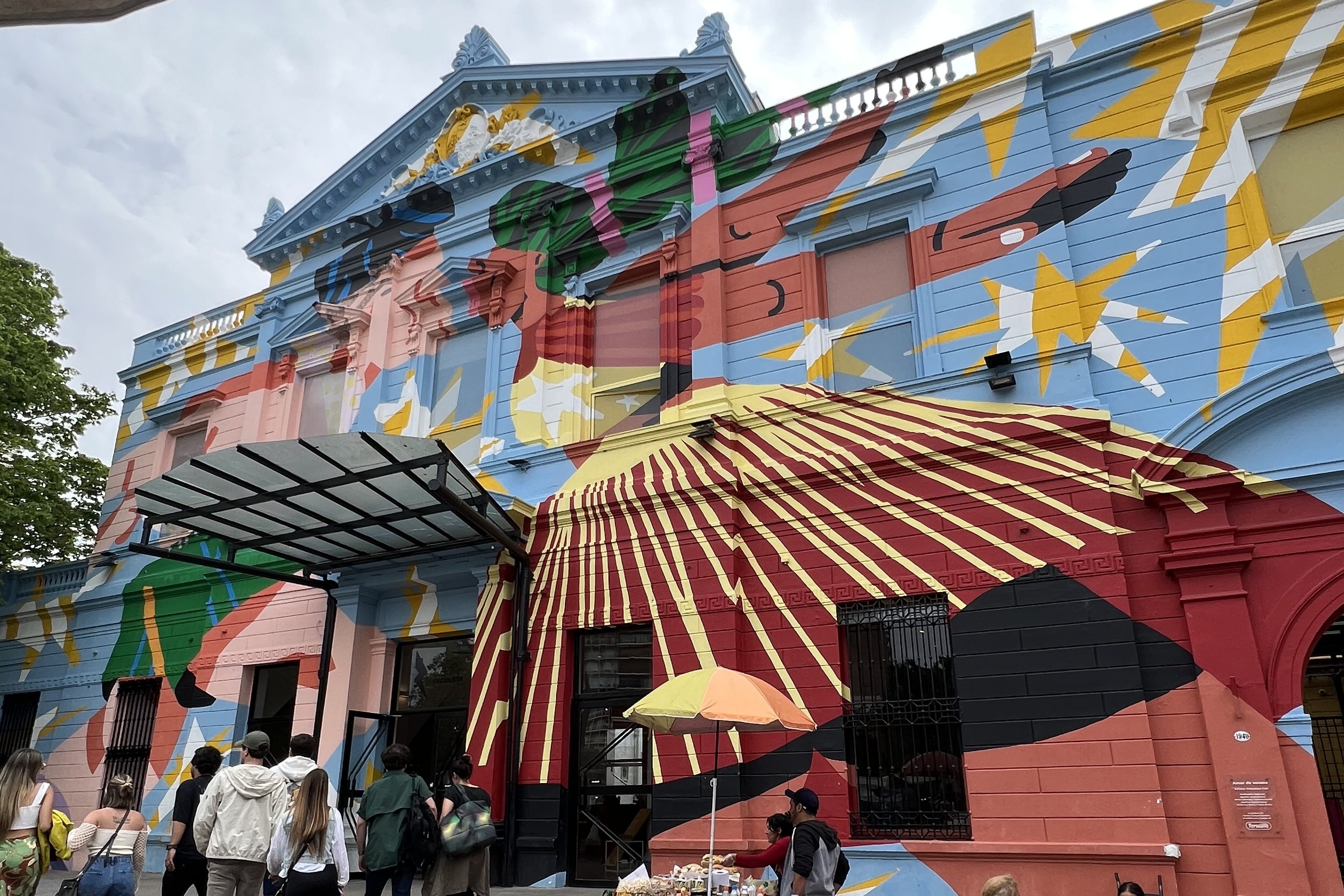
Rounding off my sightseeing tour today, I visited the Museo Nacional de Bellas Artes, one of the largest art collections in Latin America. It includes pieces from Van Gogh, Picasso and Monet.

In the evening, I was invited to my new friend’s tango concert, which was really impressive. And afterwards we had pizza. But no alcohol today, as there would be elections in Argentina the next day. The Argentinians are very strict about this and impose a ban on serving alcoholic drinks from 10pm. In Austria, that would be unthinkable on a Saturday.

Day 4:
In return, we were fit for a delicious breakfast near San Telmo market the next day. Casa Telma not only offers an extensive brunch menu, but also super tasty cakes and pies (which literally scream for diabetes).


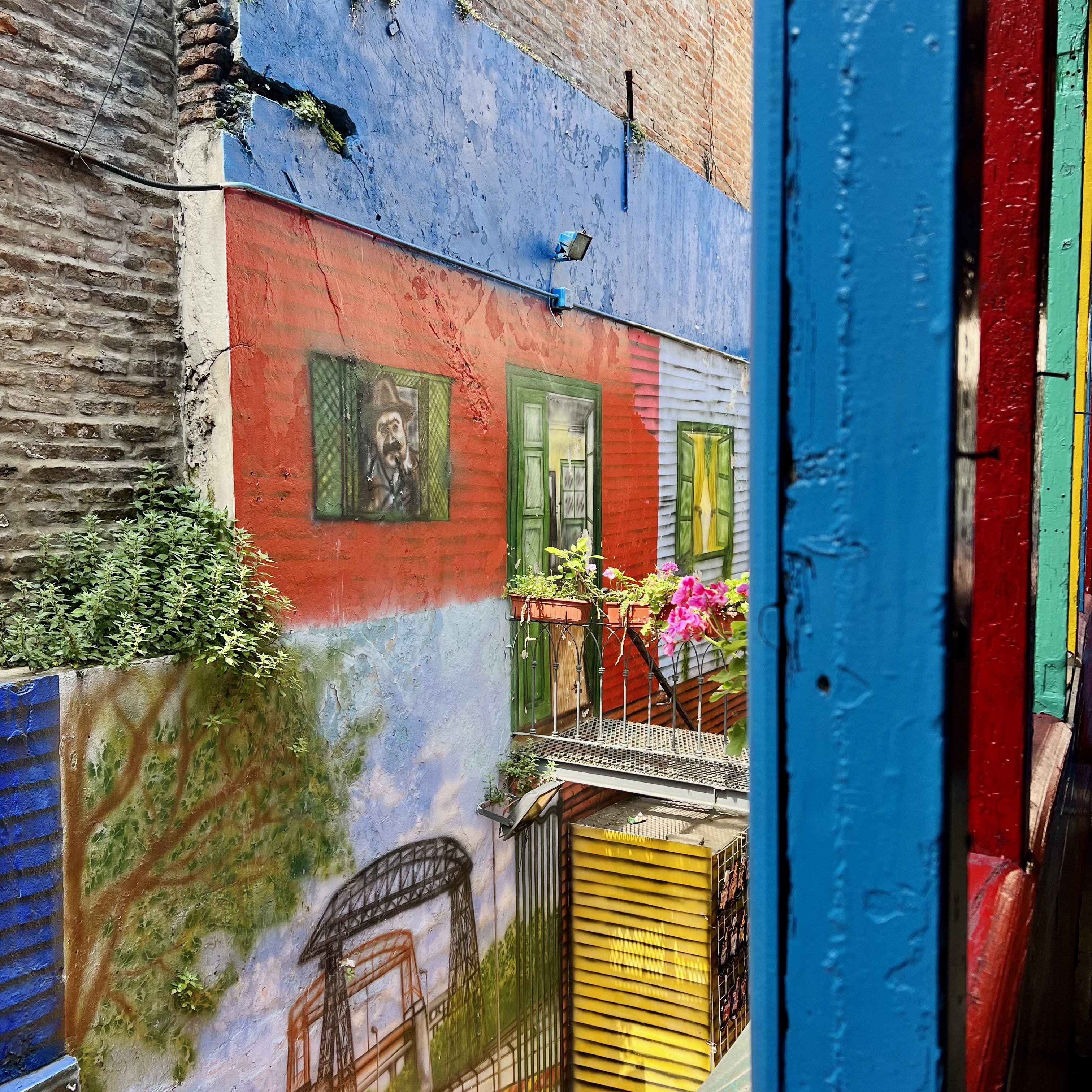
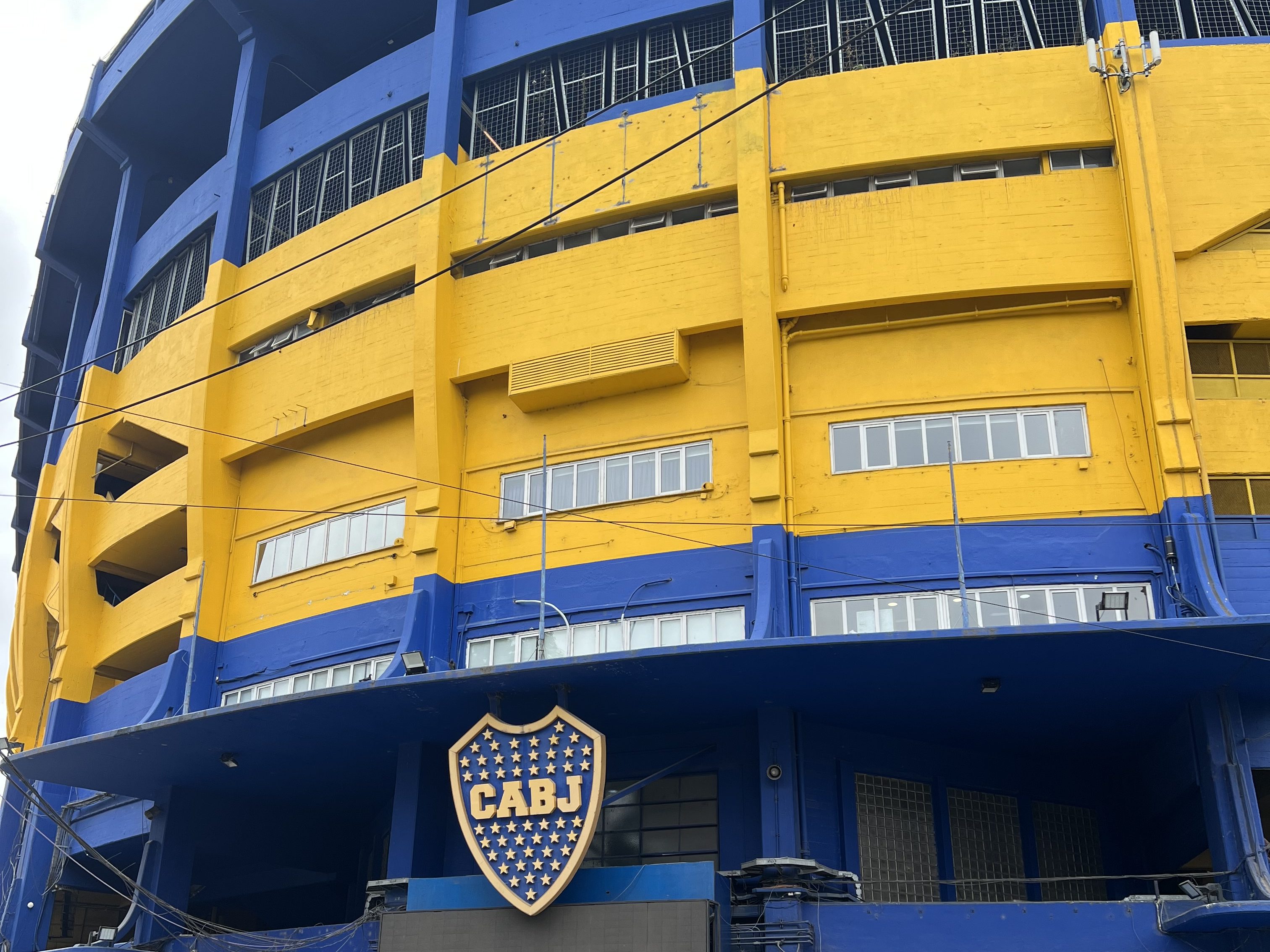
Flor then had some time in the morning to show me around a bit. There was one important neighbourhood I was still missing. The birthplace of tango, well-known to all football fans: La Boca. In this neighbourhood, you can really tell that you’re in South America and not in Europe. Here you will find colourfully painted houses, music and people dancing in the streets.

And also the famous Estadio La Bombonera, in front of which people sometimes queue up to the next city district before important football matches.
After that, I wanted to visit the ecological reserve at the harbour. However, due to the elections taking place, pretty much everything was closed that day. So I just took a walk along Costanera Sur, where you can sample Argentinian street food.
What nobody knows so far: Argentina would be the first country where I would try eating meat again after years of being a vegetarian. The regional cuisine is always part of a country’s culture and Argentina simply cries out for meat. And although I swore off eating animal products a long time ago for ethical reasons, I decided to make a small exception. Bondiola is a sandwich with grilled pork fillet, which can be topped off with a variety of salads and sauces according to your own taste. Well, this dish wouldn’t make me a meat eater again. But I didn’t regret it either.
So, in case anyone was wondering whether I managed to give up meat for a whole year in South America, here’s the answer. It is definitely possible. But I’ll go into that again in later posts.
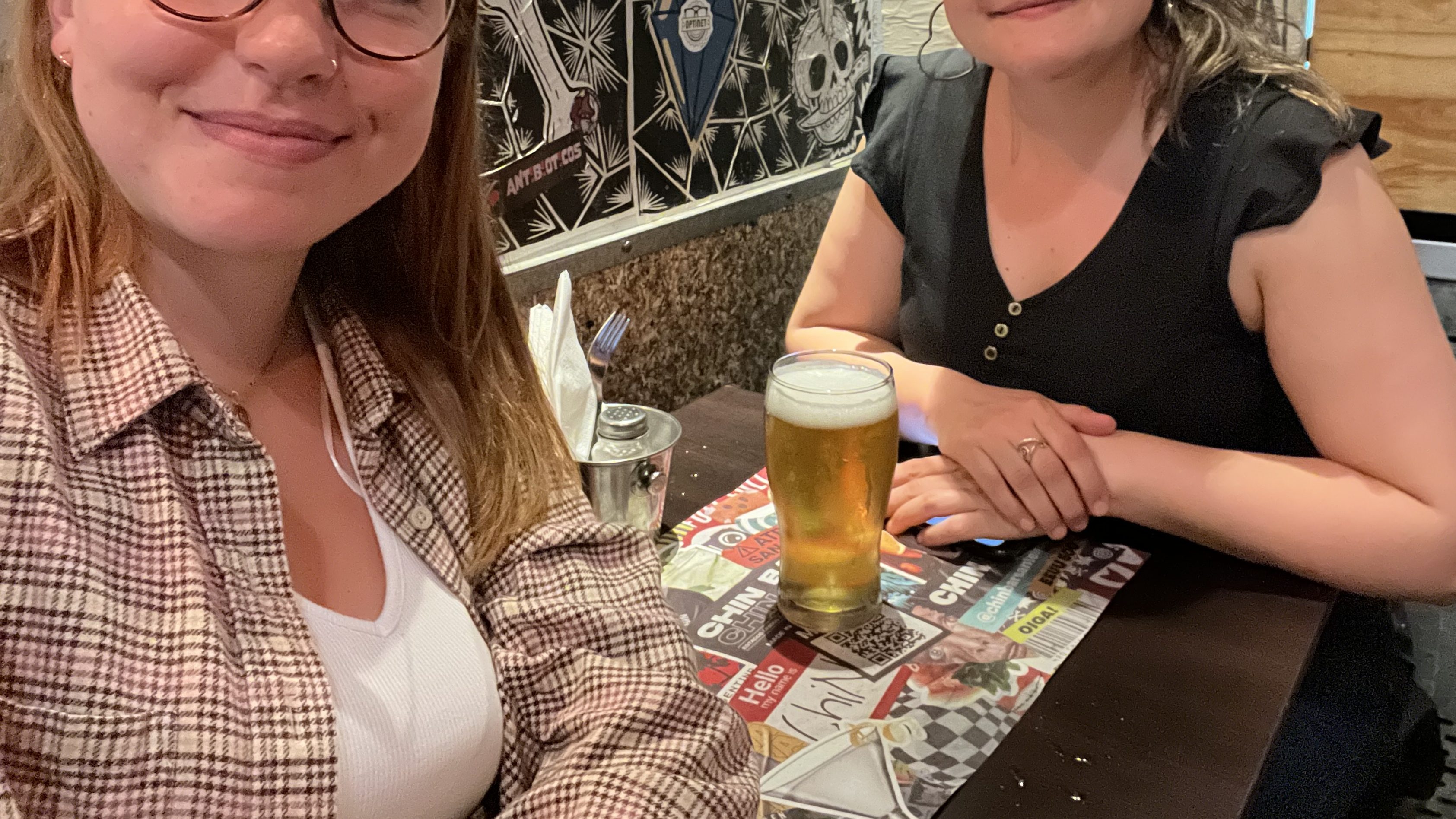
We then spent the last evening in a bar at San Telmo market. After the elections were over, we were officially allowed to order beer again. There were also people on the streets celebrating the election results (although there was no exact result at that time). That’s when you realise again that you’re in South America.
Day 5:
The next day I was already travelling back to Chile. However, there was a small incident at the airport.
I had originally travelled to Argentina because I had to extend my ninety-day tourist visa. Getting a student visa for Chile is not that easy and involves a lot of costs and bureaucracy. So it’s better to leave the country once and simply re-enter as a tourist.
However, it should be noted that when entering most South American countries, especially by air, you already need an exit ticket. This is also the case in Chile and I wasn’t prepared for that. In the end, I spoke to the crew and was able to fly back without one. But better be prepared. The staff is not always so understanding. At airports in Costa Rica, for example, they are particularly strict.
My Conclusion
I think you could already tell from my report how enthusiastic I am about this city. Buenos Aires really won me over like no other big city in South America. And if I had the opportunity, I would immediately do a semester abroad there. Beautiful architecture, lots of greenery, good food and a rich cultural scene. And a piece of home on the other side of the world.
Nevertheless, we must not forget that we are still in South America. Argentina may have experienced a major economic boom back then. Nevertheless, the country is still struggling with many economic and political challenges. The value of money is constantly fluctuating. The gap between rich and poor is enormous, as in other countries. What makes the big difference in Buenos Aires is that the poor neighbourhoods are located on the outskirts of the city and are only really seen when you drive into the centre from outside, for example the airport. Here you can see a poverty that in most other major Latin American cities is spread throughout the city centre.
I would have loved to see more of this beautiful country. However, if, like me, you don’t have enough time to travel the entire territory of Argentina, which is huge, you should at least consider visiting the capital.
Buenos Aires is and will always be a great, beautiful and vibrant city. But it might be a little more illusion than reality.
So, for me it was time to go back to Chile and in my next post I will once again report on a destination within the country. This much I can say: It will get cold and wet. Until then,
Bussi Baba!
 Bussi Baba
Hinterlasse einen Kommentar